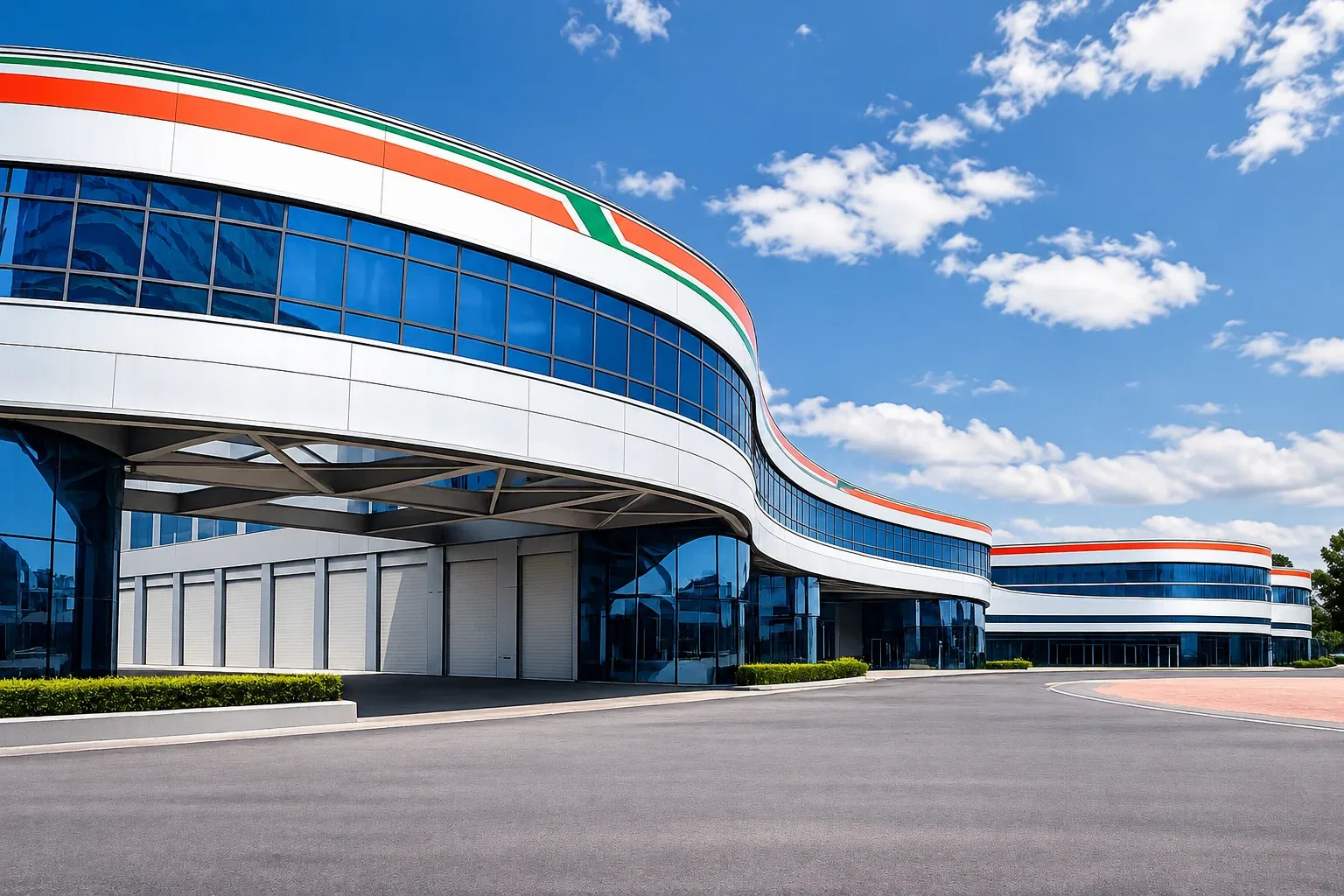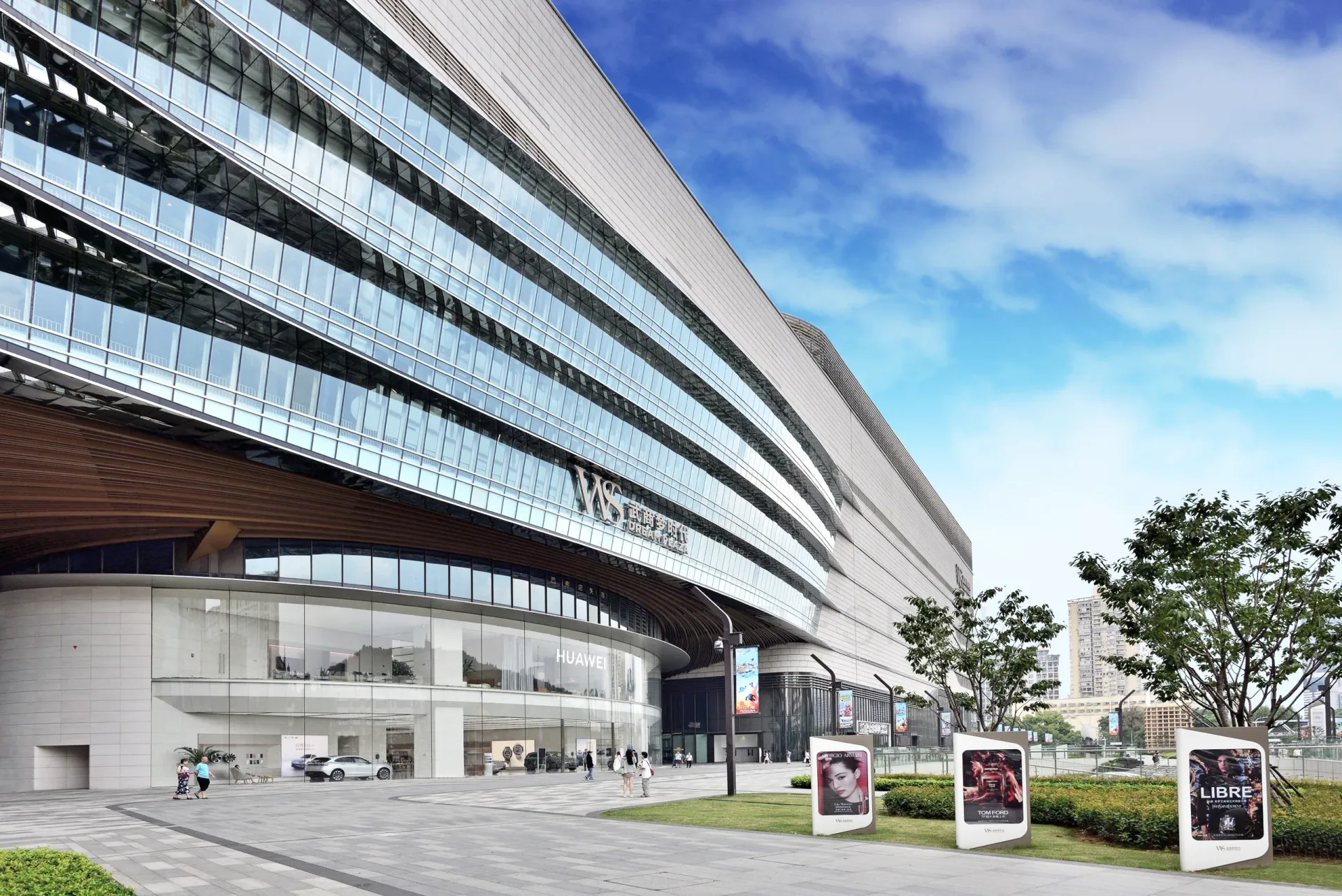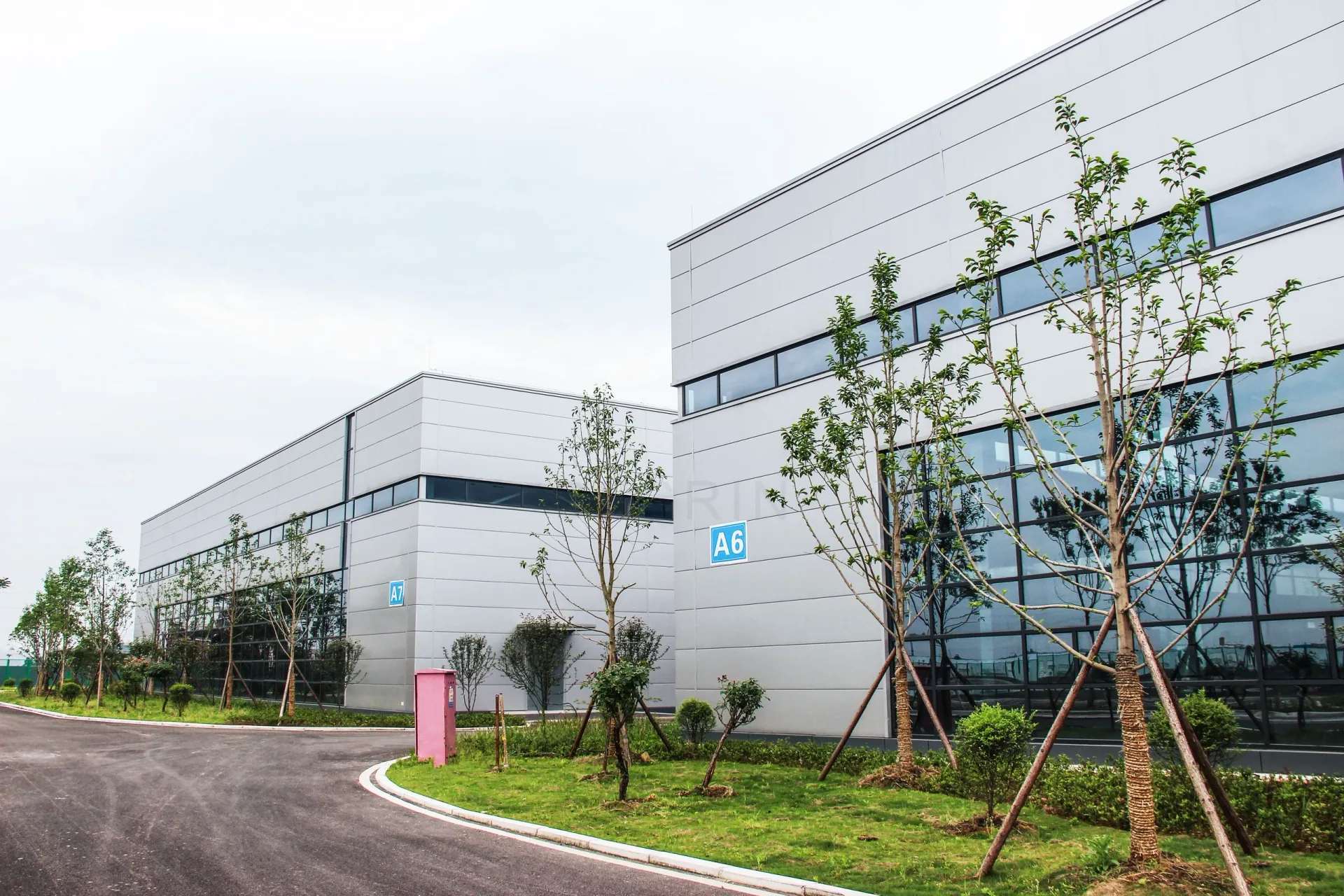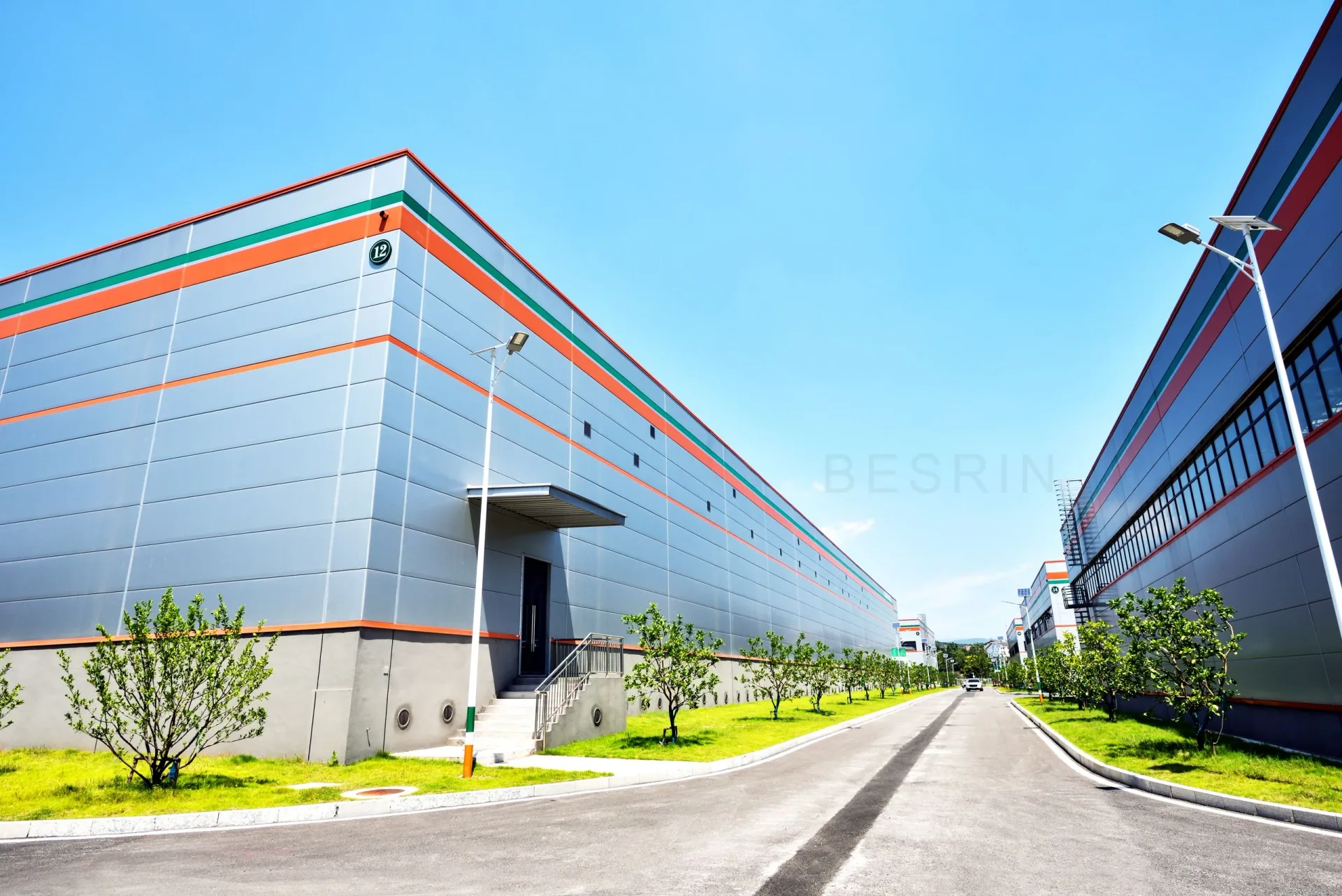
Continuous Fire-Resistant Core
Rock wool cores reduce discontinuities in fire-resisting construction at panel joints.
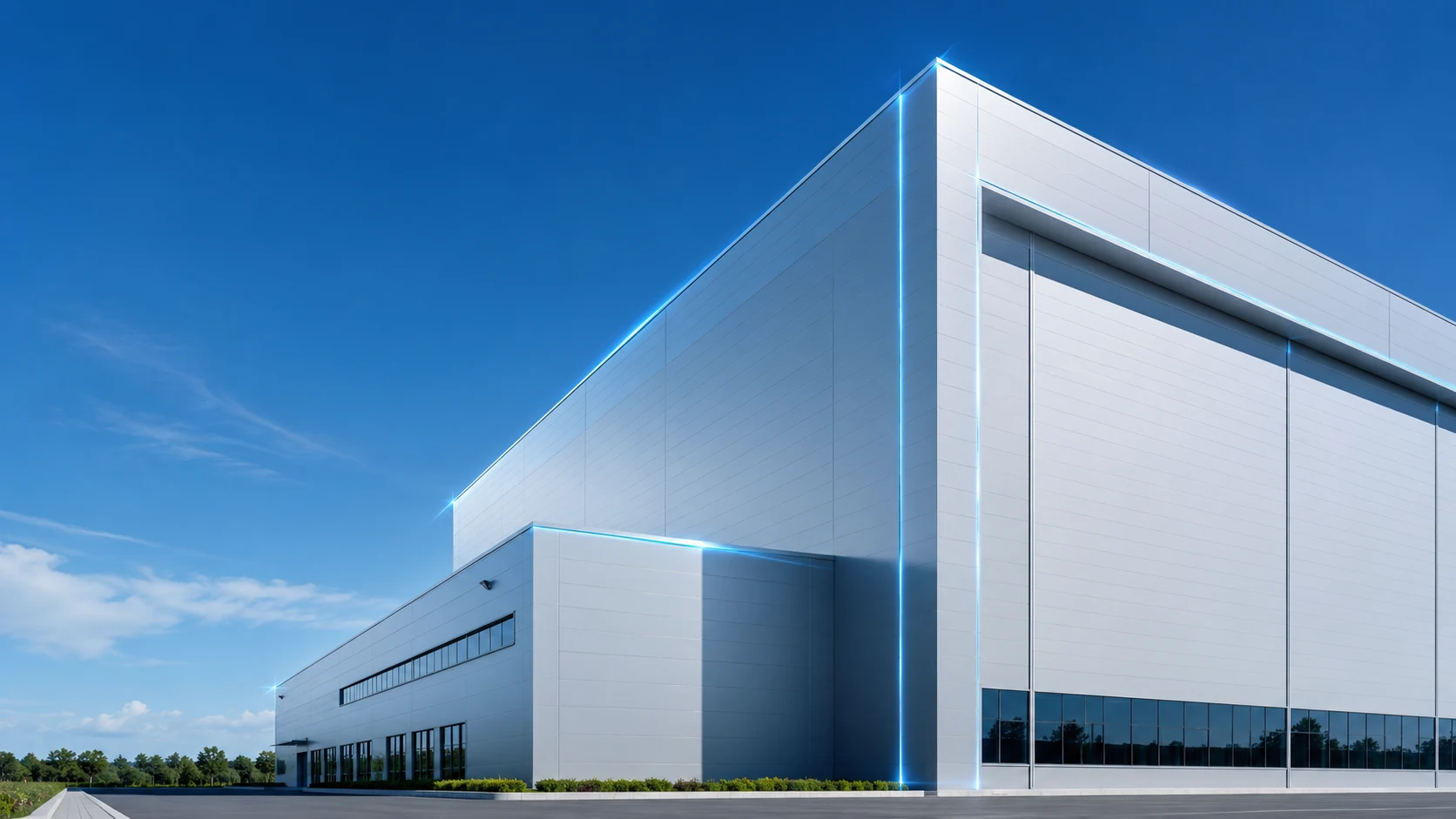
AirSeal™ rock wool and PIR/PUR insulated metal panels for fire, thermal and long-term energy performance.
A1 non-combustible rock wool cores, metal facings and continuous PU edges coordinate fire, thermal, airtightness and installation performance.
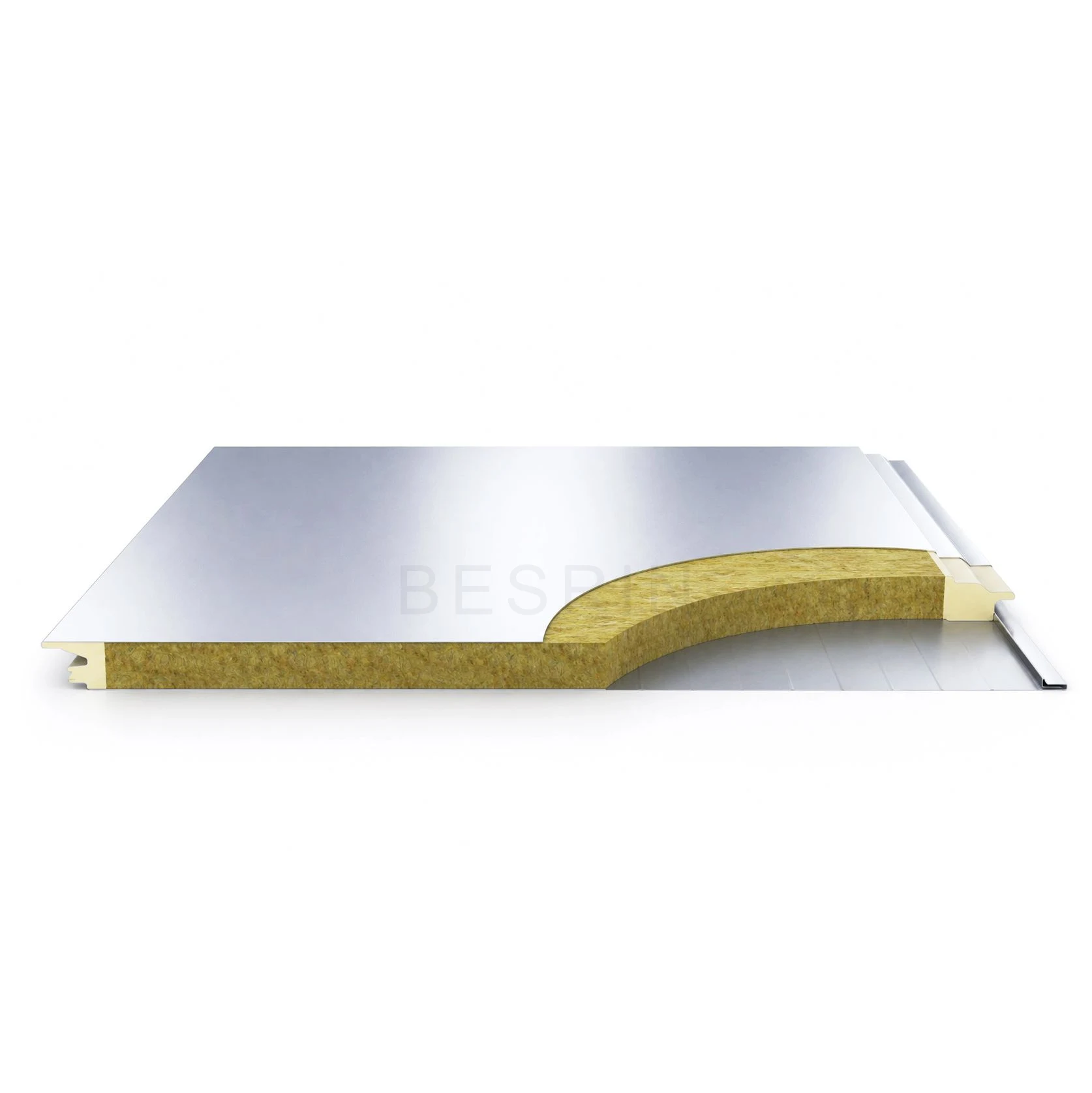
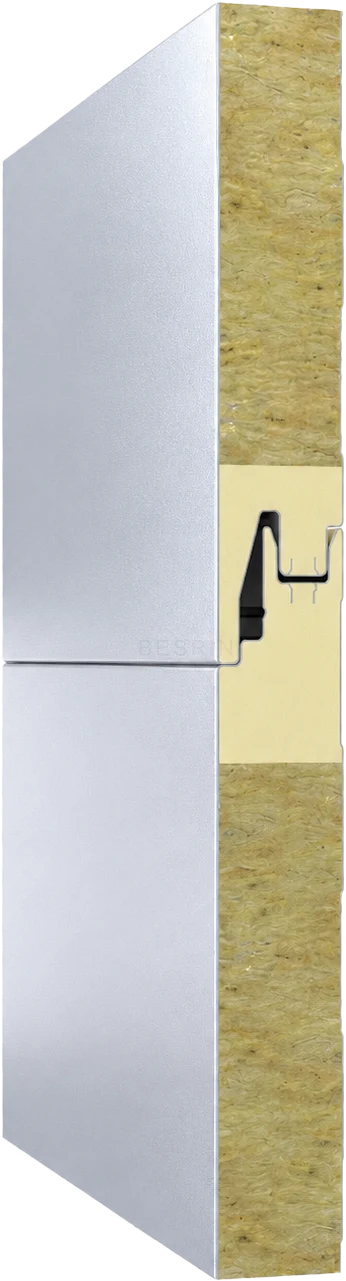
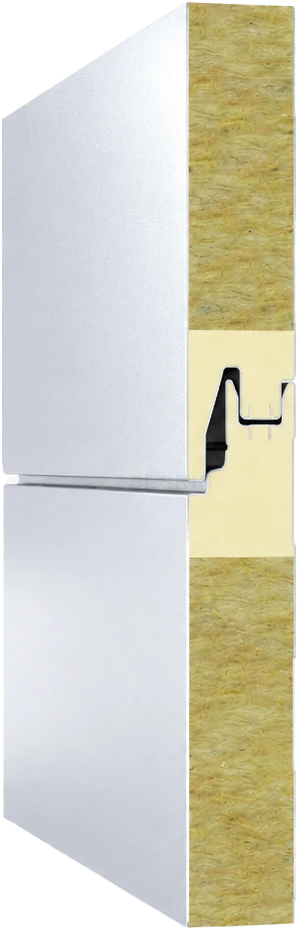
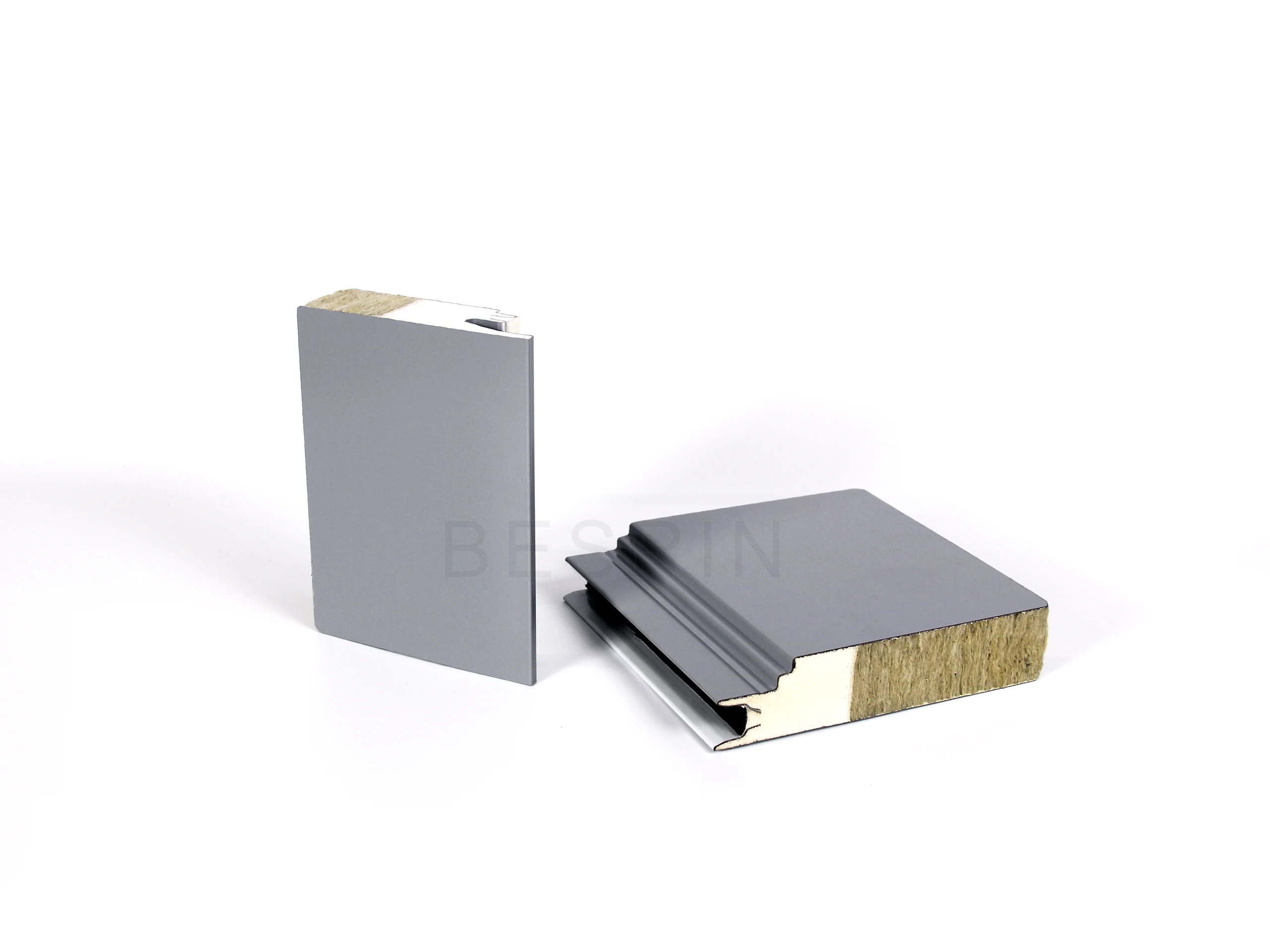
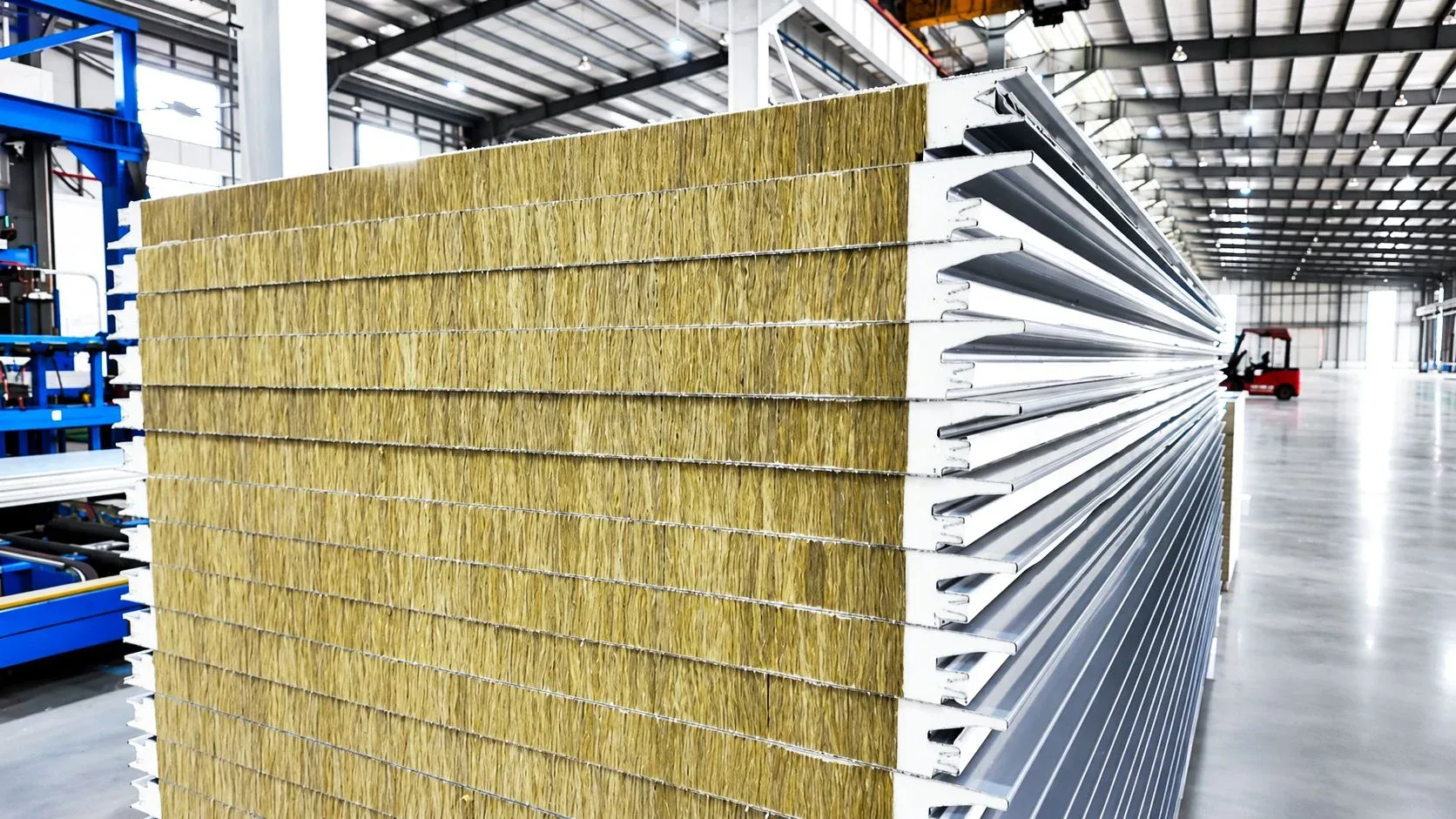
Rock wool roof panels integrate metal profiles, insulation and edge connections for industrial roofs requiring fire performance, thermal efficiency and efficient installation.
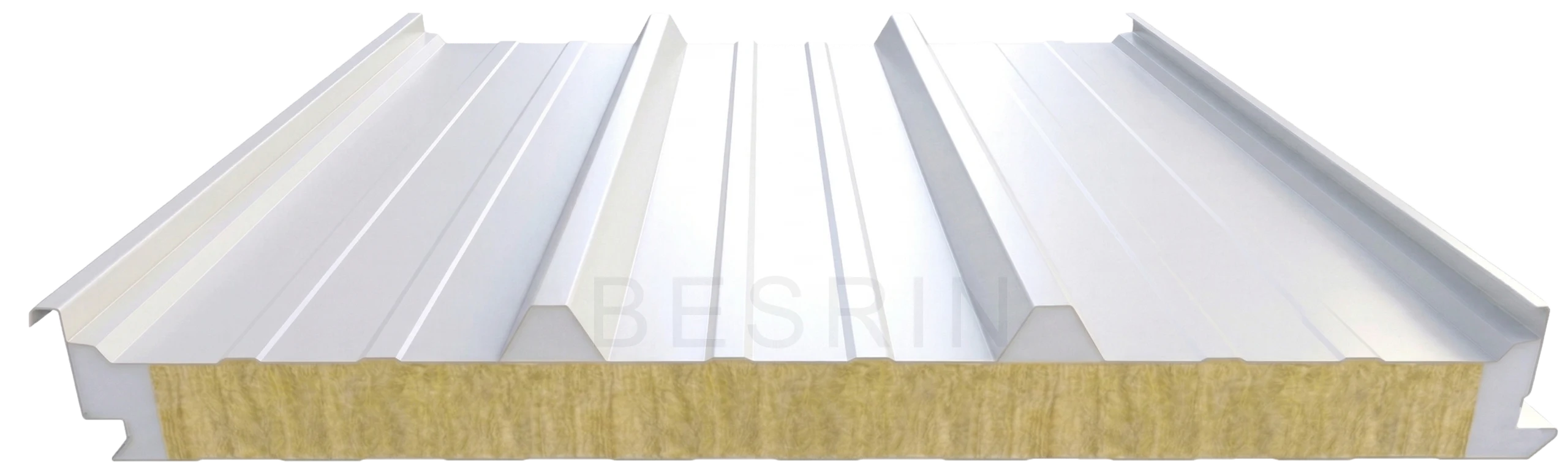
Rock wool cores reduce discontinuities in fire-resisting construction at panel joints.
Unexposed fasteners support weather resistance and durable roof maintenance.
Panels, joints, seals, ridges and eaves form a continuous envelope.
Lengths matched to layouts and transport reduce wet trades and improve installation efficiency.
Profiles, connections, drainage and details depend on the application. Final specifications and performance follow project design conditions and relevant test documents.
| Parameter | AirSeal™ Insulated Roof | AirSeal™ Insulated Wall |
|---|---|---|
| Primary Function | Drainage, weather protection, insulation and roof loading | Insulation, fire performance, airtightness and facade expression |
| Core | A1 Rock Wool Core | A1 Rock Wool Core |
| Edge Construction | PU edges and roof seam connections | PU edges and concealed tongue-and-groove fixings |
| Typical Thickness | 50 / 75 / 100 / 150 mm | 50 / 75 / 100 mm |
| Metal Facings | 0.4–0.6 mm galvanized or aluminum-zinc-coated steel | 0.4–0.5 mm galvanized or aluminum-zinc-coated steel |
| Facing Coating | PE / HDP / PVDF | PE / HDP / PVDF |
| Connection | Concealed seams or tongue-and-groove joints | Concealed fixing; horizontal or vertical installation |
| Critical Details | Ridges, eaves, gutters, rooflights and penetrations | Bases, corners, openings, parapets and roof-to-wall joints |
| Design Priorities | Slope, drainage, wind uplift and thermal movement | Wind loads, flatness, thermal bridges and continuous air sealing |
Explore AirSeal™ applications across industrial parks, manufacturing facilities and large public buildings.
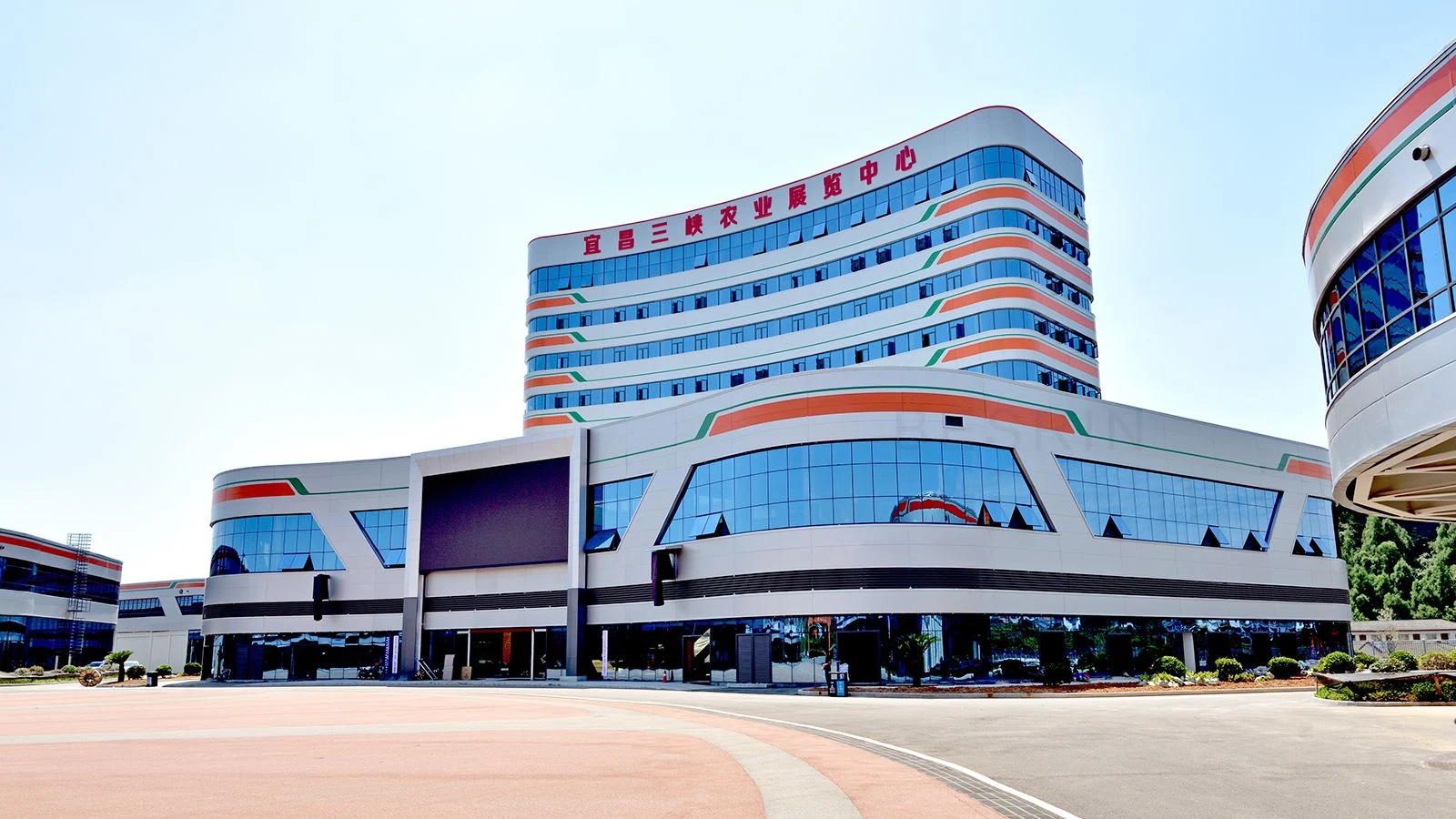
AirSeal™ combines A1 non-combustible basalt-fiber rock wool with PU edges to manage thermal bridges. The core provides a non-combustible basis; PU edges support insulation, airtightness and precise joints. Facings, cores, edges, joints, fixings and trims work together to meet project fire, thermal and air-sealing requirements. System performance must be confirmed by specification-specific test evidence and project conditions.
For industrial buildings with defined material reaction-to-fire requirements.
View DetailsAssess panels, joints and details as a complete thermal system.
View DetailsEdges, joints, seals and trims create a coordinated air barrier.
View DetailsPlan roofing, walling, flashings, fixings and openings as one system.
View DetailsEnvelopes for battery, energy-storage and solar factories.
View DetailsFactories with combined appearance, temperature, fire and rapid-delivery requirements.
View DetailsInsulated roofs and walls, including thermal-performance refurbishment.
View DetailsAirSeal™ roof and wall panels work with ridges, eaves, bases, corners, openings, flashings and seals.
Rock wool core, PU edges and metal facings form a complete panel with a Class A core.
PU-edged rock wool panel with four-sided joints for high-performance insulation and a Class A core.
| Parameter | AirSeal™ Roofing | AirSeal™ Walling |
|---|---|---|
| Core | Rock wool (basalt fiber) | Rock wool (basalt fiber) |
| Core Density | 100–120 kg/m³ | 80–100 kg/m³ |
| Core Reaction to Fire | Class A1 (GB 8624) | Class A1 (GB 8624) |
| Edge Material | PU Edges | PU Edges |
| Panel Thickness | 50 / 75 / 100 / 150 mm | 50 / 75 / 100 mm |
| Metal Facings | 0.4–0.6 mm galvanized / Aluminum-zinc-coated steel | 0.4–0.5 mm galvanized / Aluminum-zinc-coated steel |
| Facing Coating | PE (polyester) / HDP (high-durability polyester) / PVDF (fluorocarbon; stated weather resistance ≥25 years) | PE / HDP / PVDF |
| Thermal Conductivity λ | ≤0.043 W/(m·K)(23°C) | ≤0.043 W/(m·K) |
| Thermal Transmittance K | 0.30–0.78 W/(m²·K) Depending on thickness | 0.30–0.78 W/(m²·K) Depending on thickness |
| Fire Construction Requirements | Subject to applicable code requirements | Subject to applicable code requirements |
| Profile / Joint | Four-sided tongue-and-groove / Concealed fixing | Four-sided tongue-and-groove / Concealed fixing |
| Panel Width | 1,000 mm | 1,000 mm |
| Panel Length | ≤ 16,000 mm | ≤ 12,000 mm |
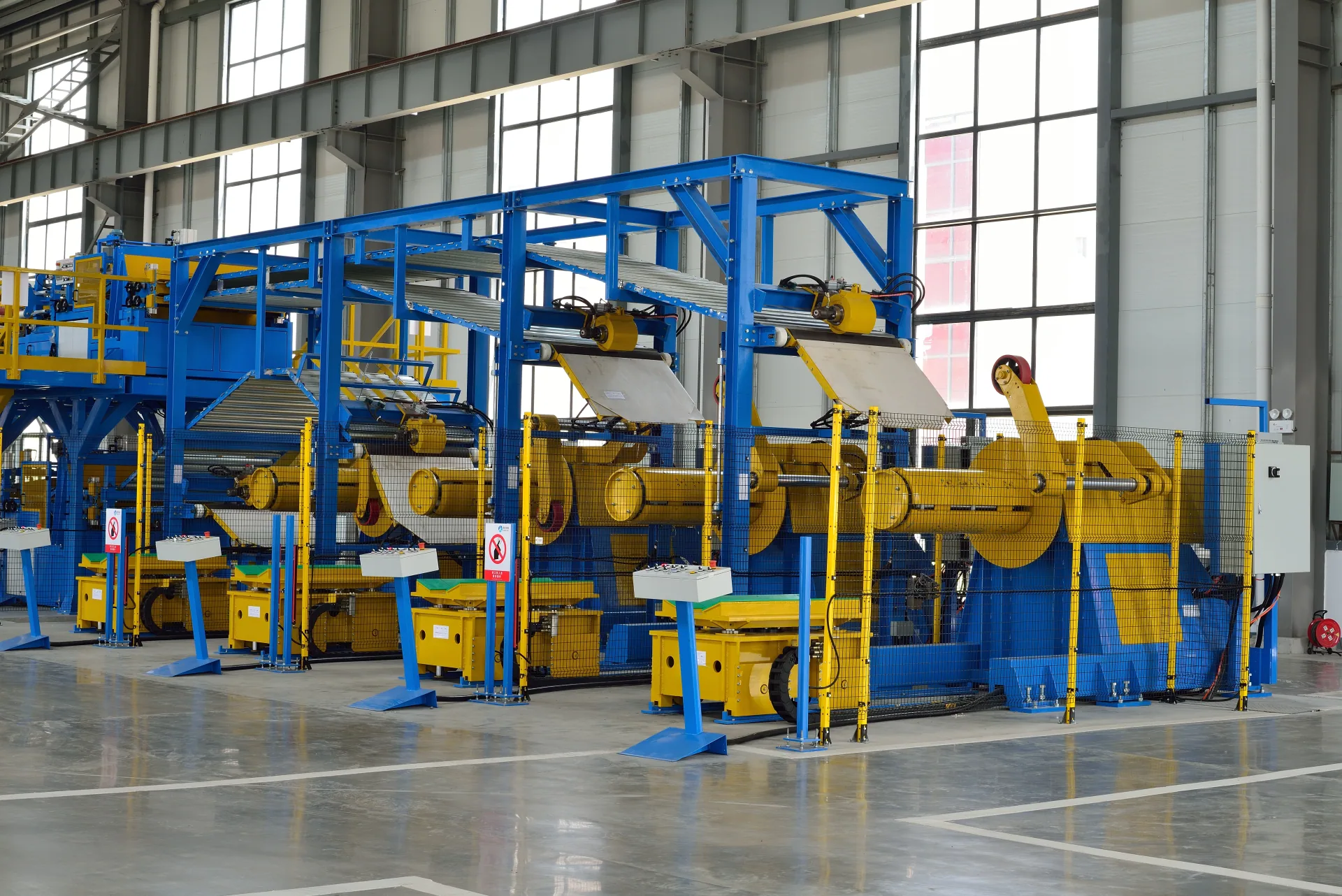
Continuous coil feeding and automatic changeover with constant tension.
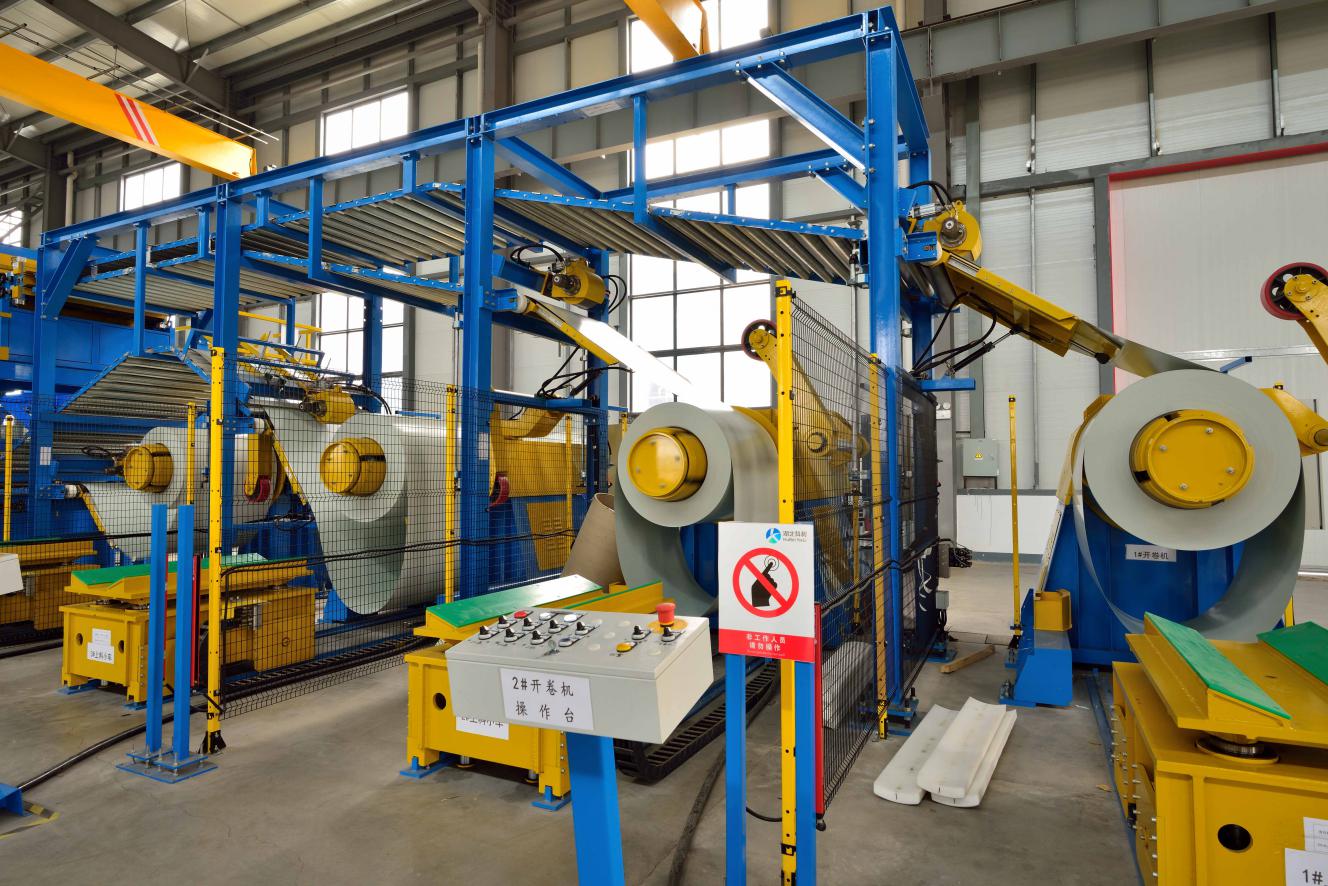
Upper and lower metal facings feed together for forming and bonding.
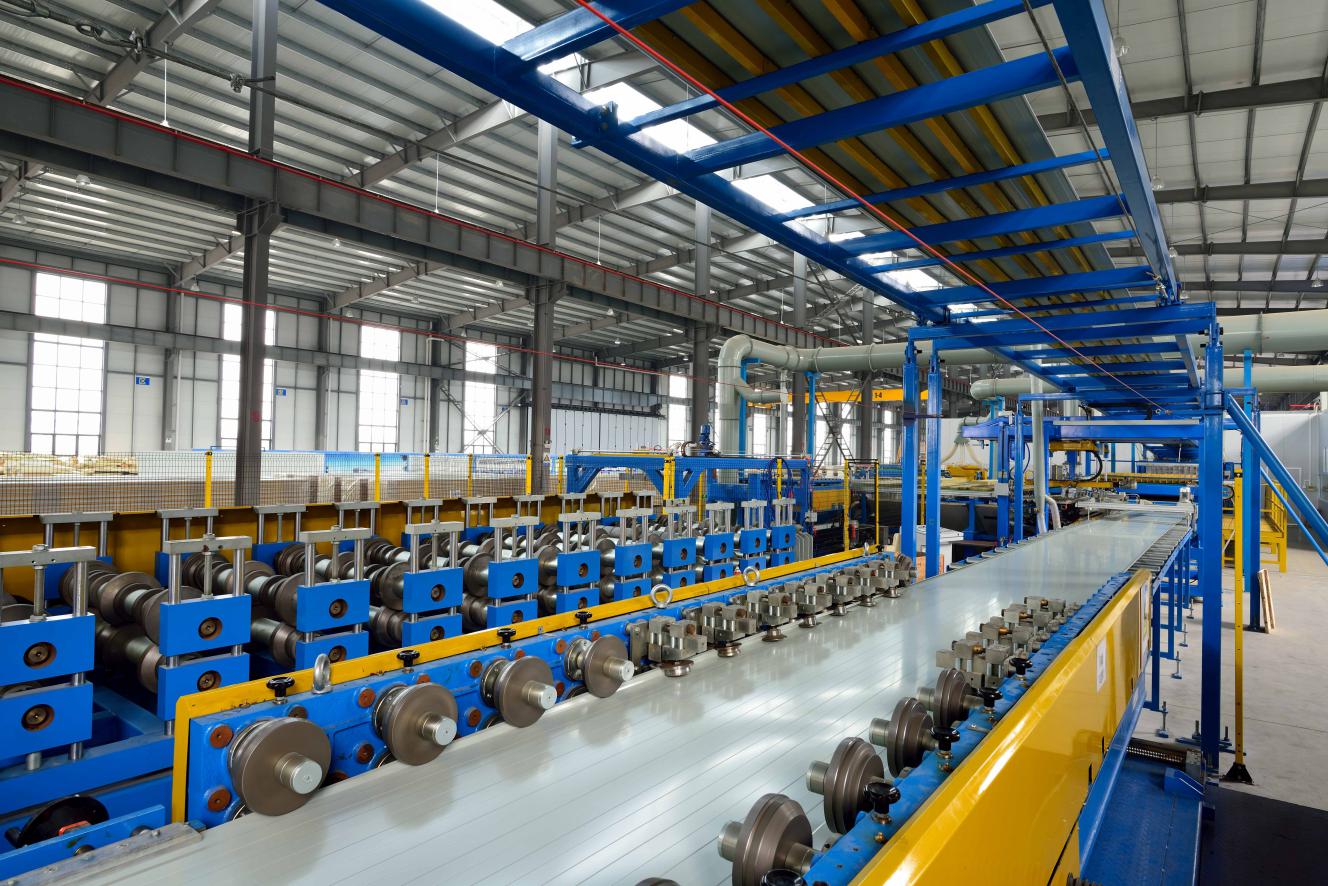
Progressive roll forming creates profiles and joint geometry.
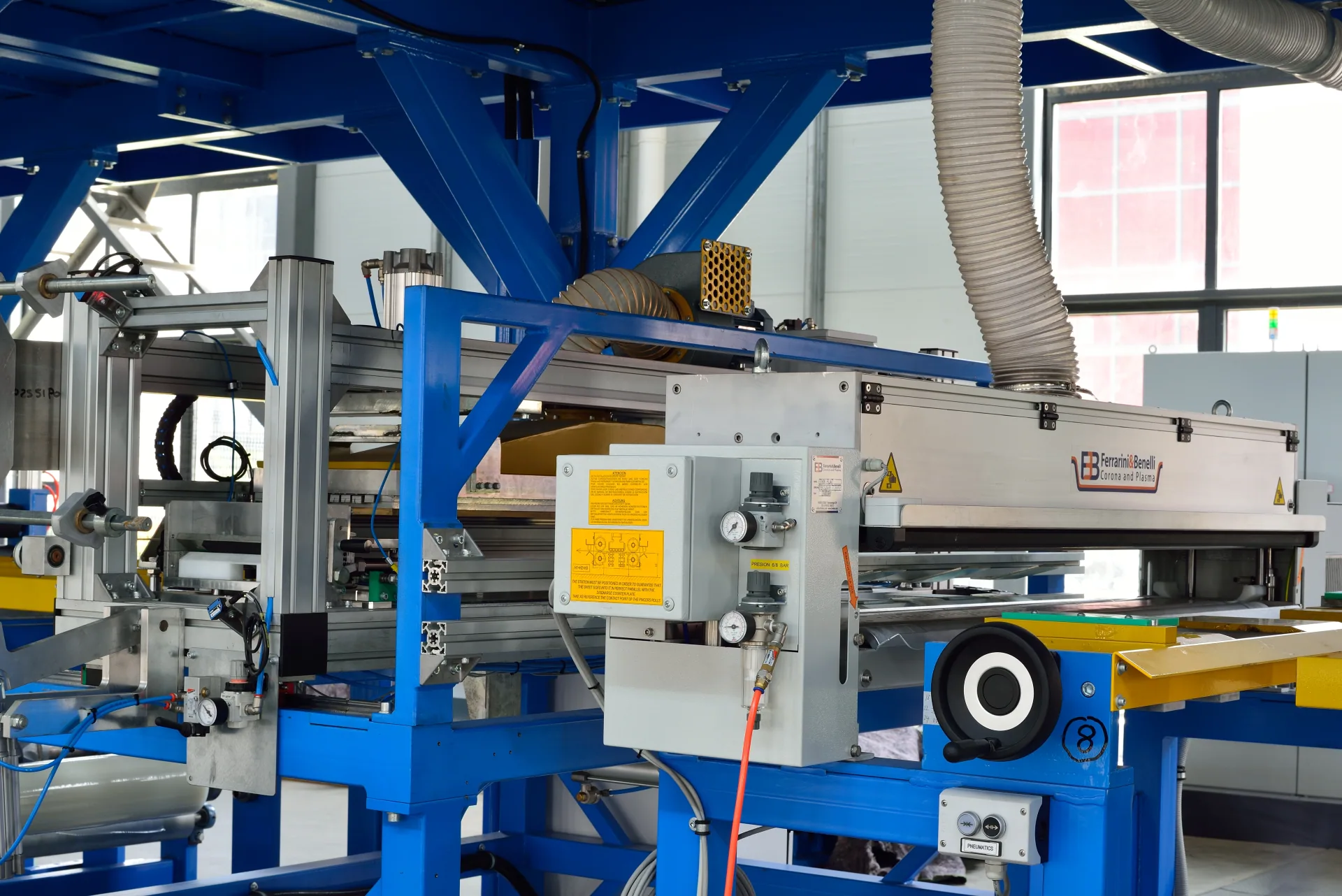
Corona pretreatment improves bonding at the metal-facing interface.
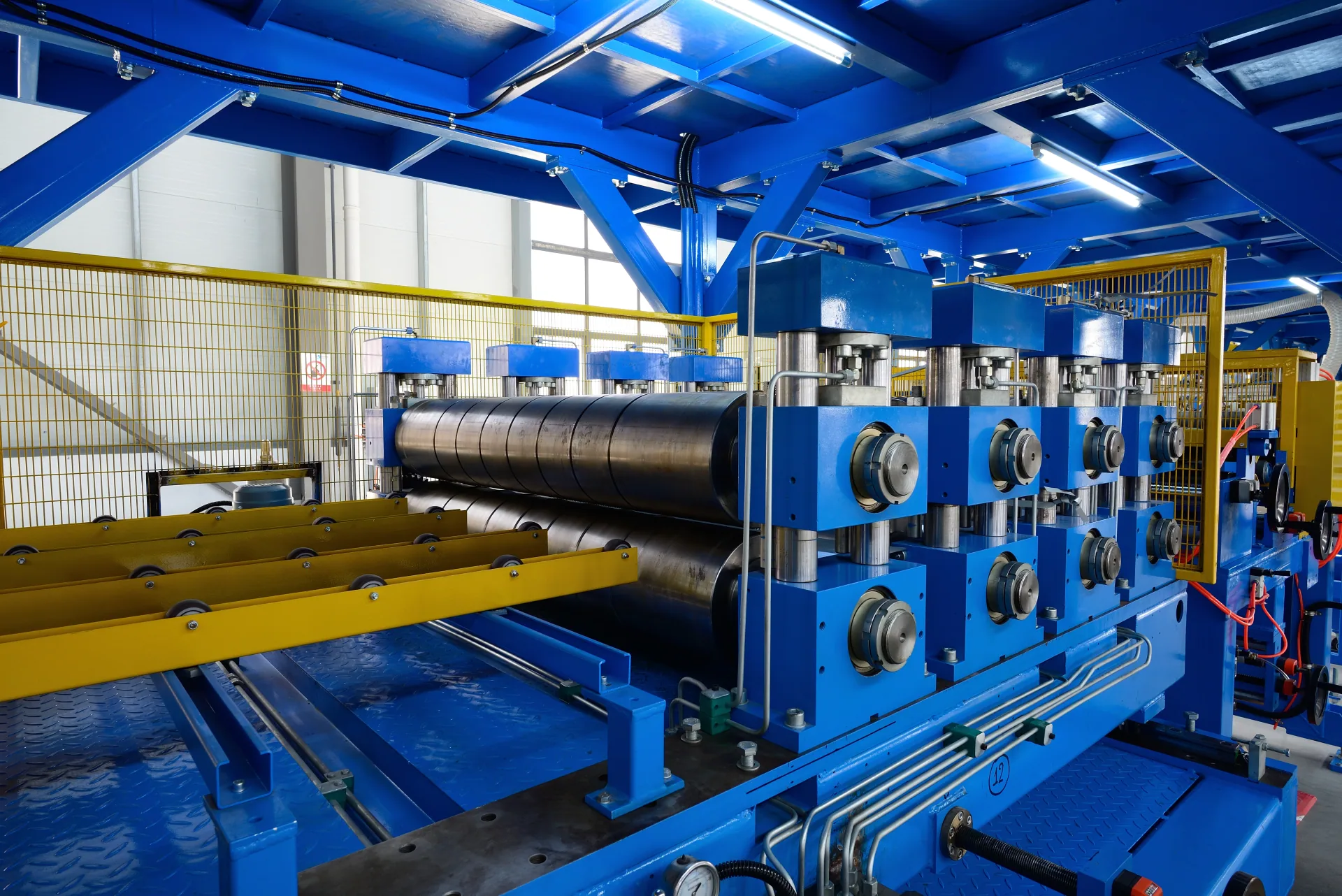
Texture is formed before bonding for consistent appearance.
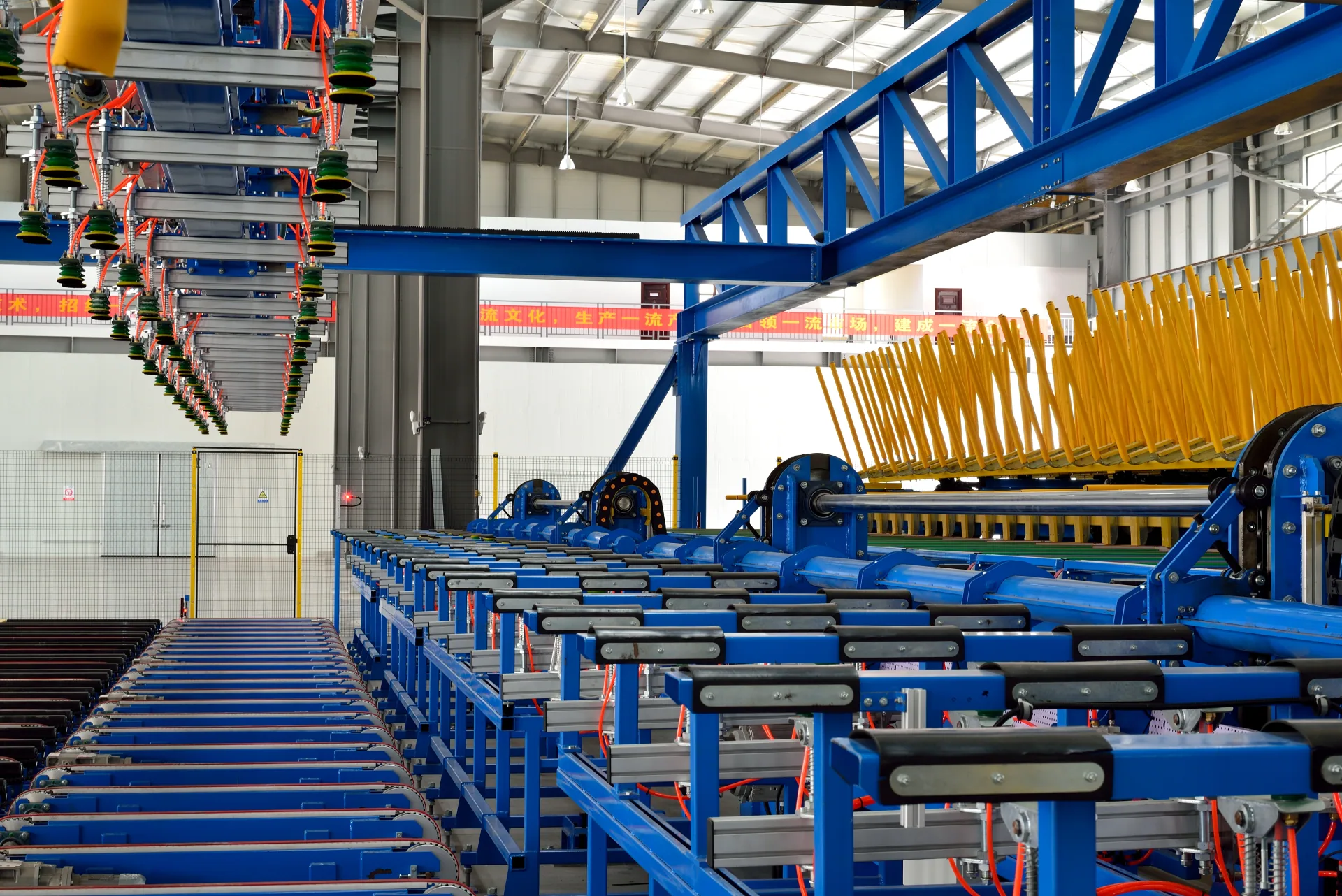
Cooling after double-belt curing stabilizes dimensions and flatness.
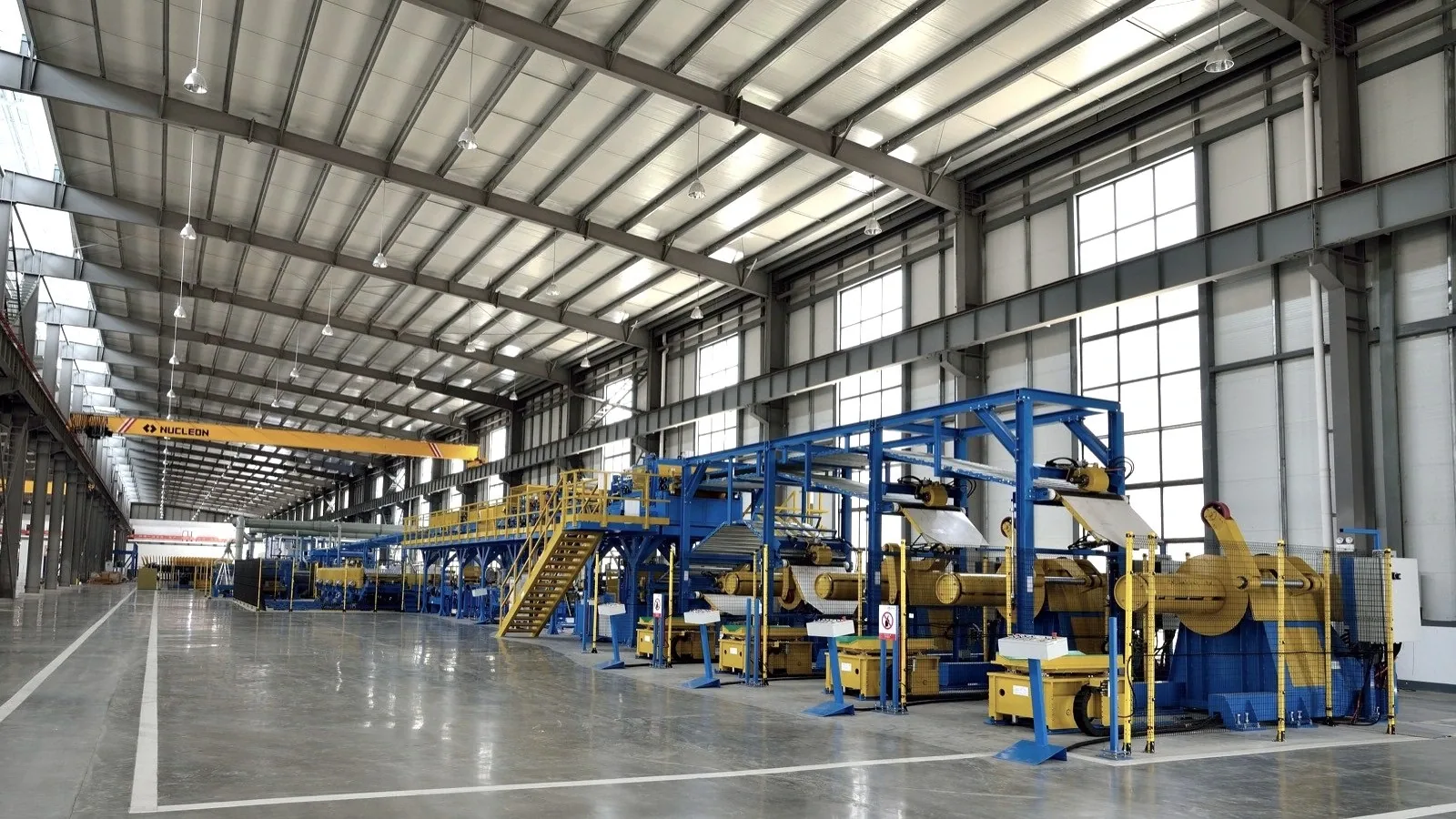
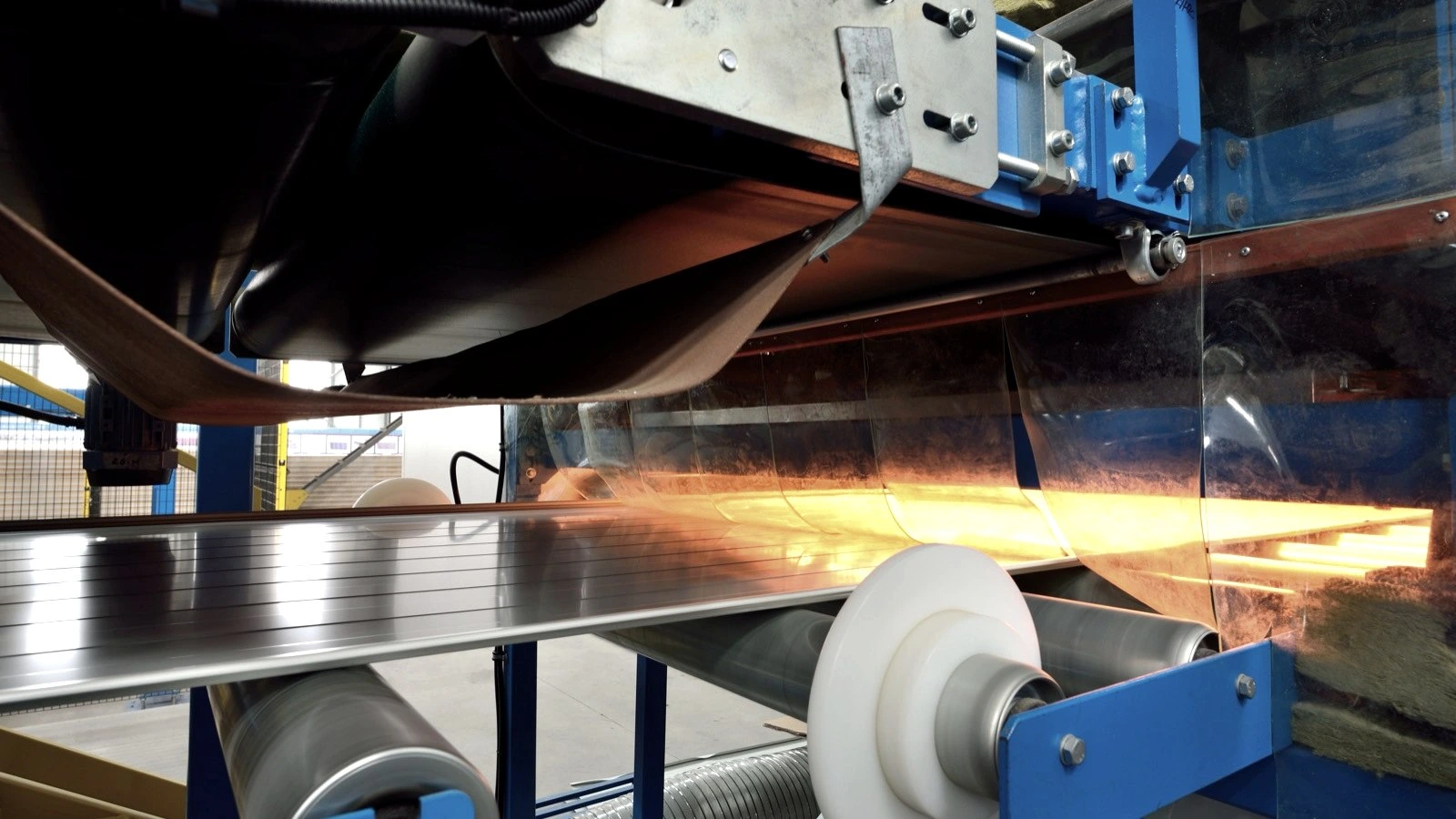
Coordinated speed, forming, bonding, curing and cutting turn specifications into repeatable production.
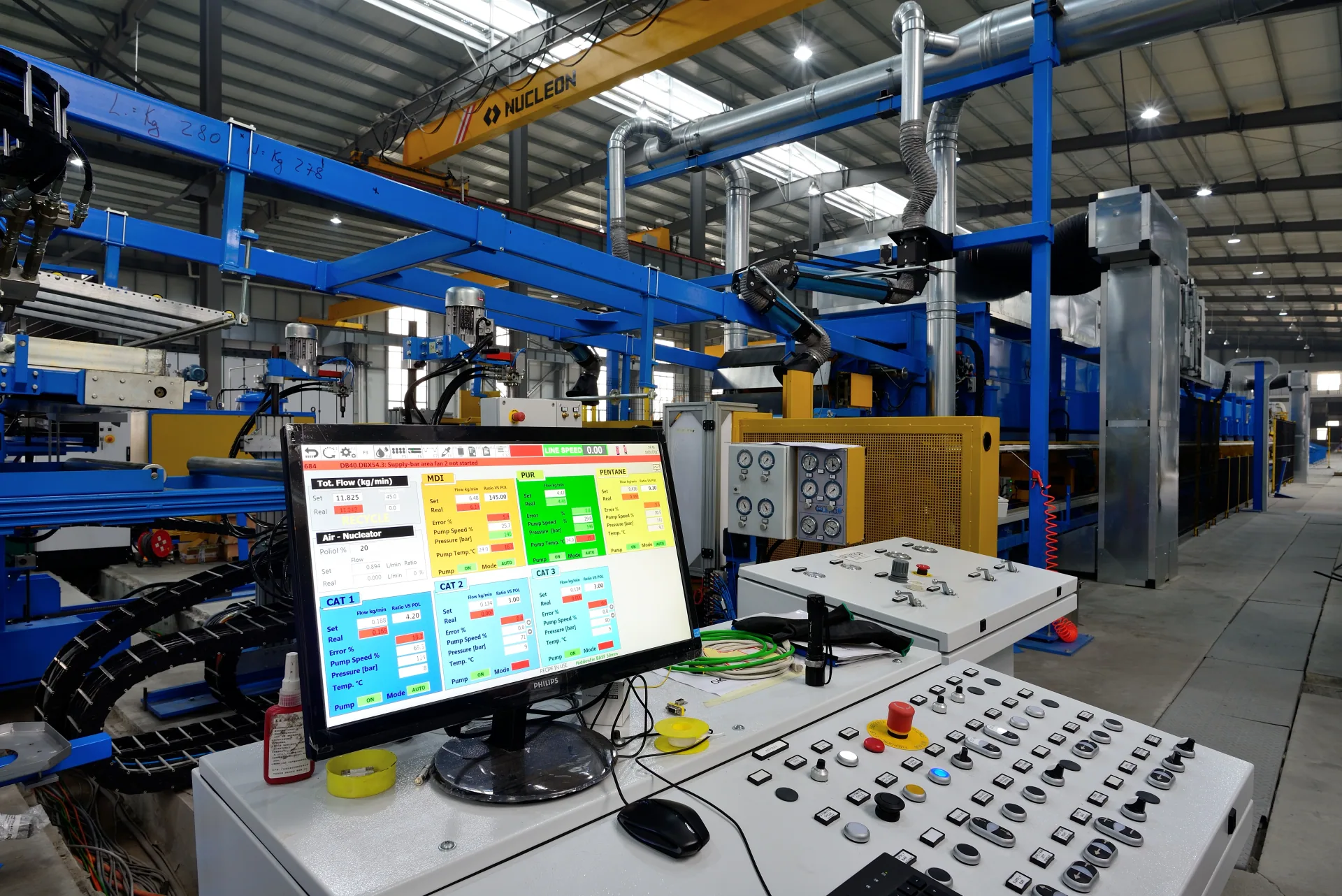
Central PLC control monitors speed, temperature, pressure and other critical parameters.
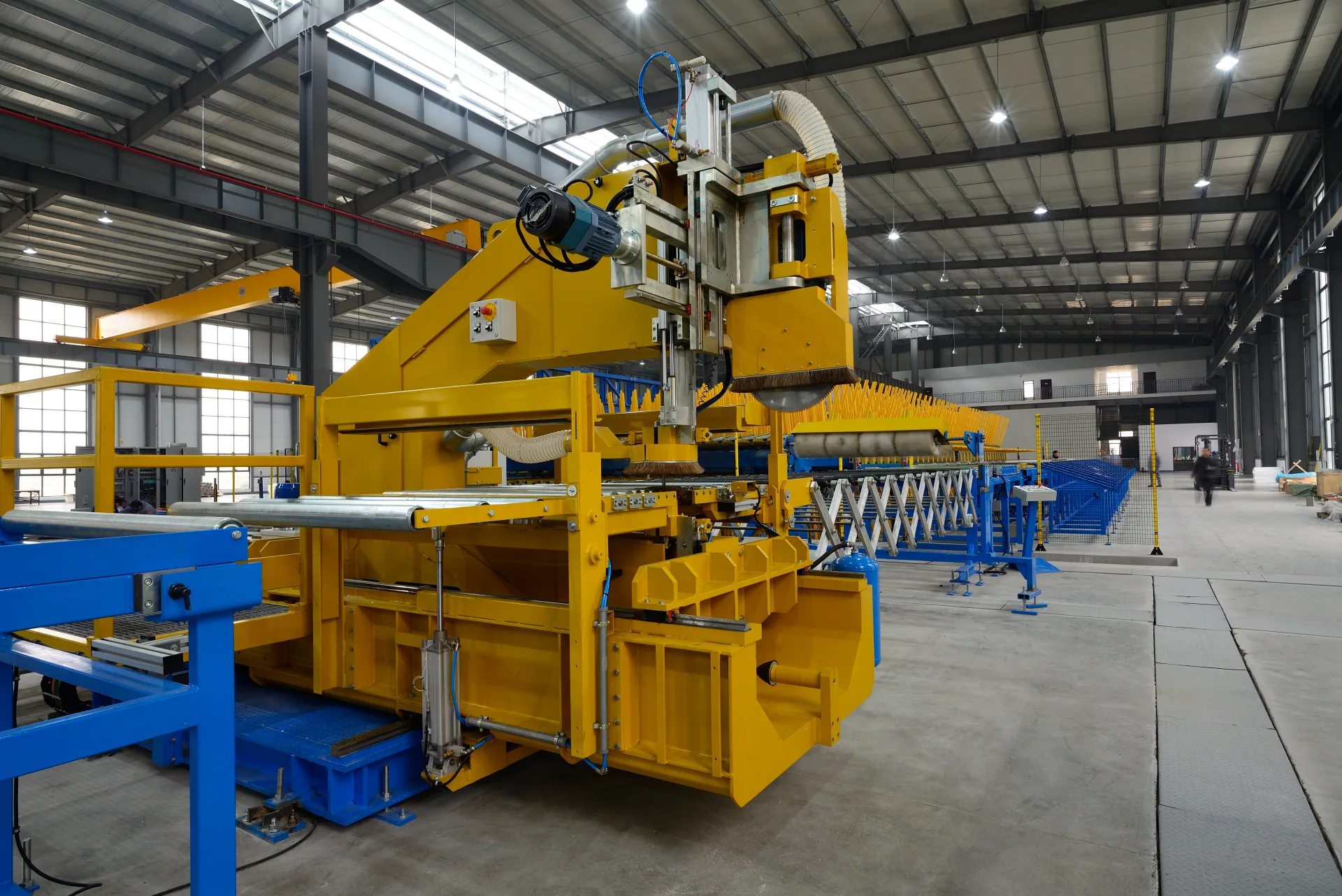
An in-line flying saw cuts to project dimensions with centralized debris collection.
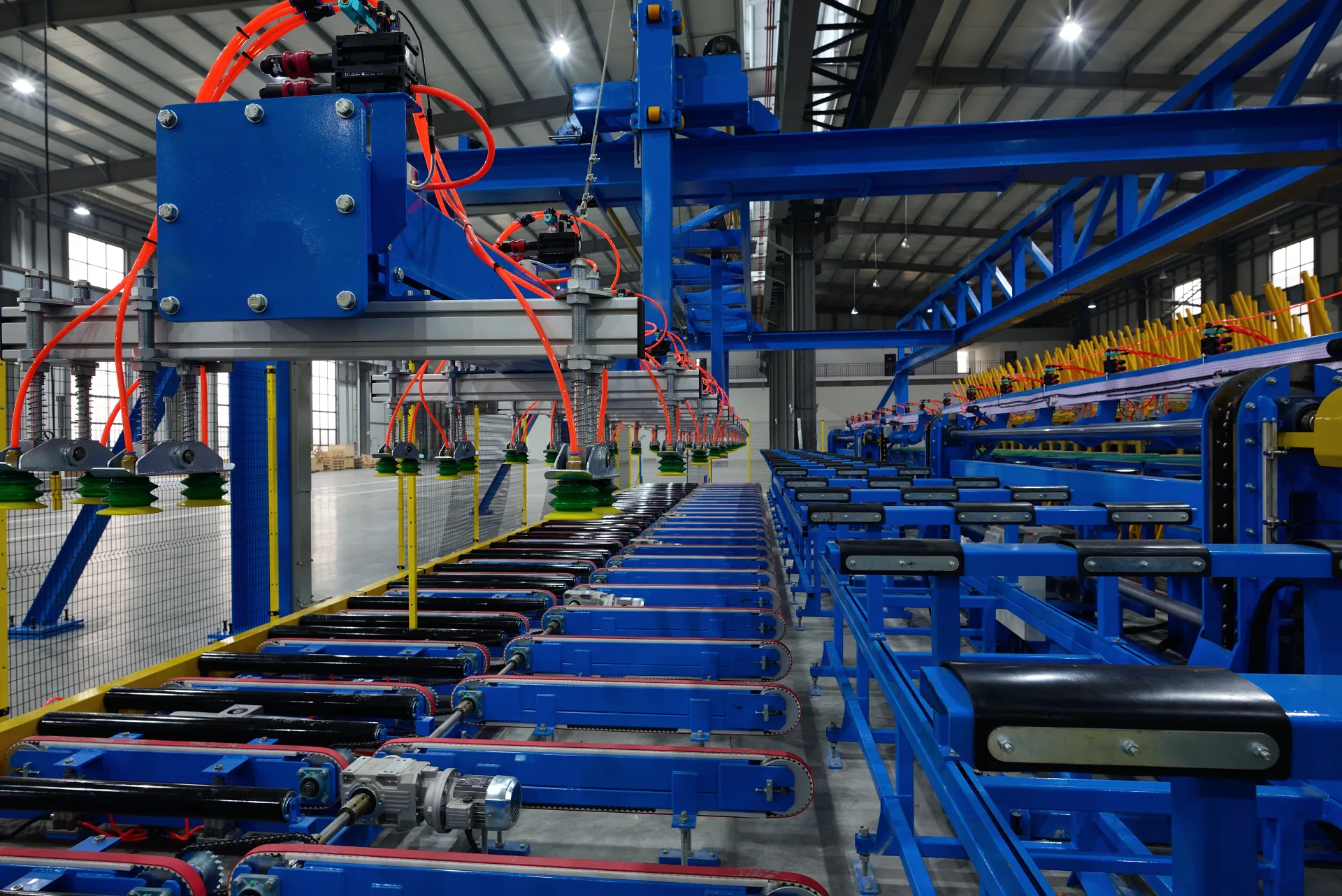
Automatic vacuum handling stacks finished panels by specification, batch and installation zone.
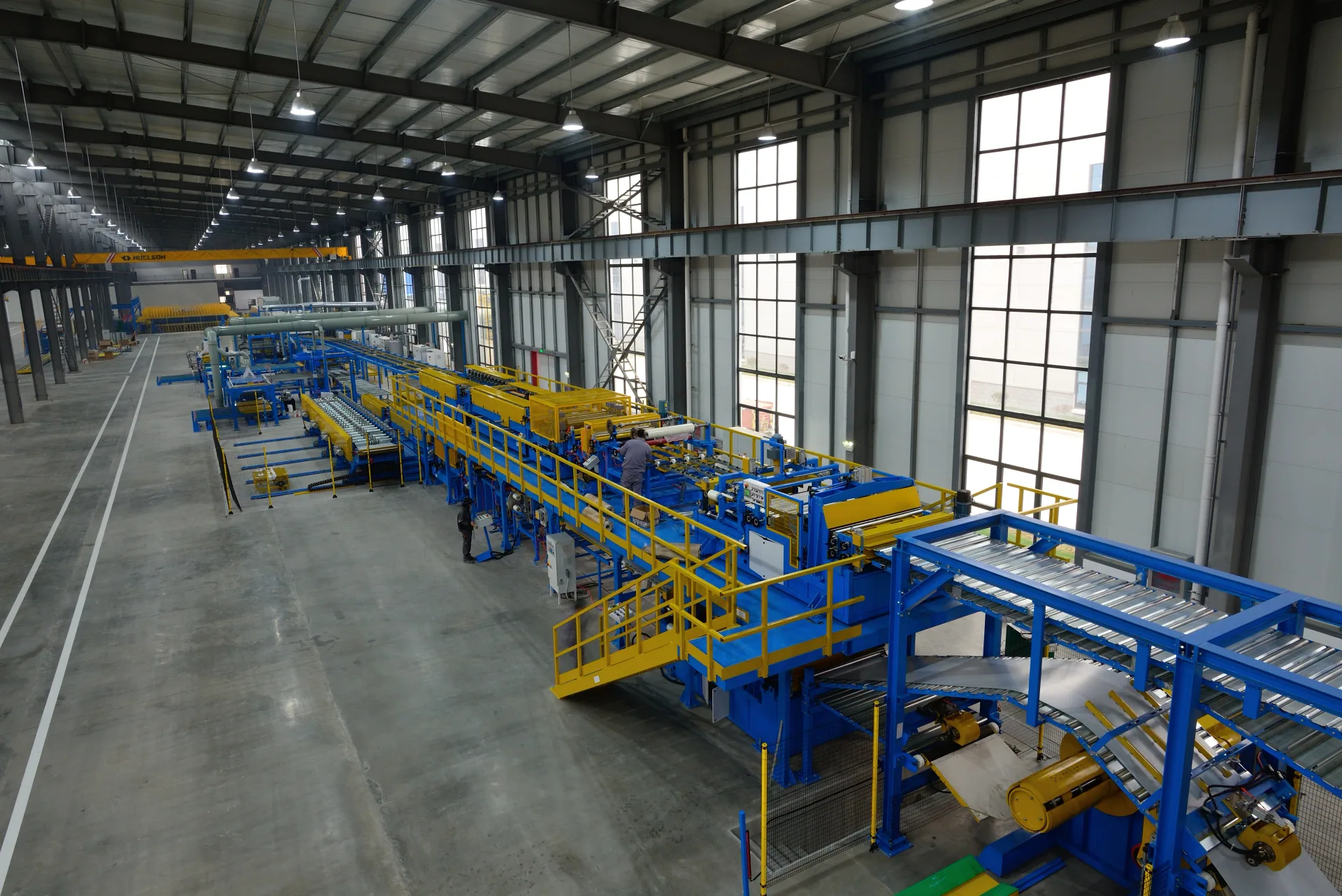
Continuous operations from uncoiling to stacking support large-volume, multi-specification project production.
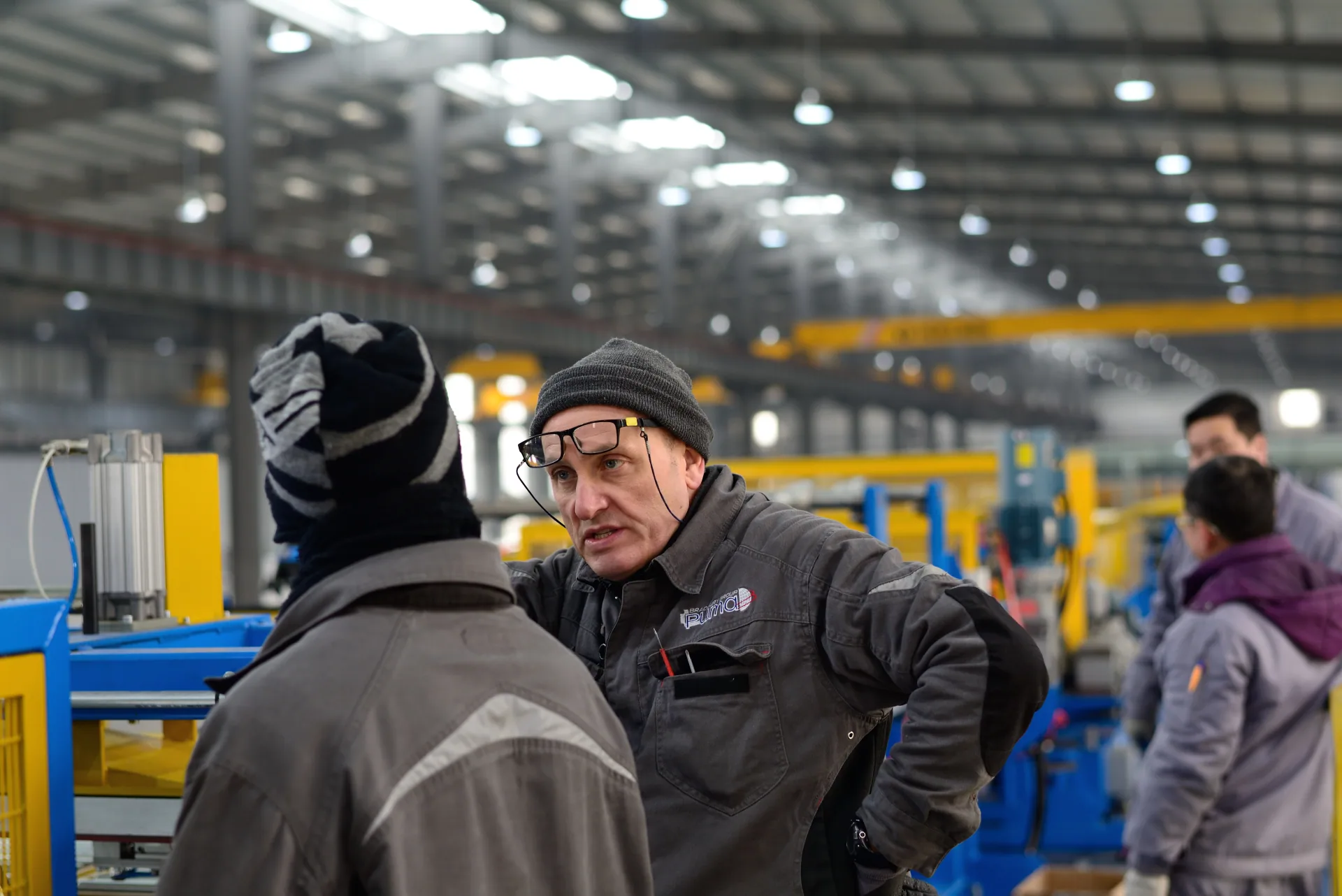
Technical teams install, commission and maintain equipment for stable production.
Continuous coil feeding and automatic changeover.
Pretreat the facing’s bonding interface.
Progressively form the profile and joints.
Control core orientation and continuous filling.
Bond upper and lower facings and form PU edges.
Bond under continuous pressure and controlled process conditions.
Flying-saw cutting with debris handling.
Stabilize dimensions before final inspection.
Identify by project, specification and batch.
What are the building use and fire requirements? What are the temperature, humidity and corrosion conditions? What is the thermal-transmittance target? How do lengths, purlin spacing, profiles and joints coordinate? How will details maintain fire, thermal and air-barrier continuity?
PIR performance depends on facings, joints, fixings, seals and detail continuity as well as core conductivity. Local fire, thermal and corrosion requirements determine thickness, facings and details.
Control thermal bridges through panels, joints and details for stable long-term thermal performance.
Coordinate joints, seals and trims for roof, wall, temperature and humidity conditions to form continuous water and air barriers.
Continuous prefabrication, project lengths and coordinated details reduce wet trades and improve layout and installation efficiency.
Select PIR or PUR for local regulations, test conditions, operating temperatures and fire targets.
For industrial and warehouse facades, integrating insulation, facade modules, opening trims and bases.
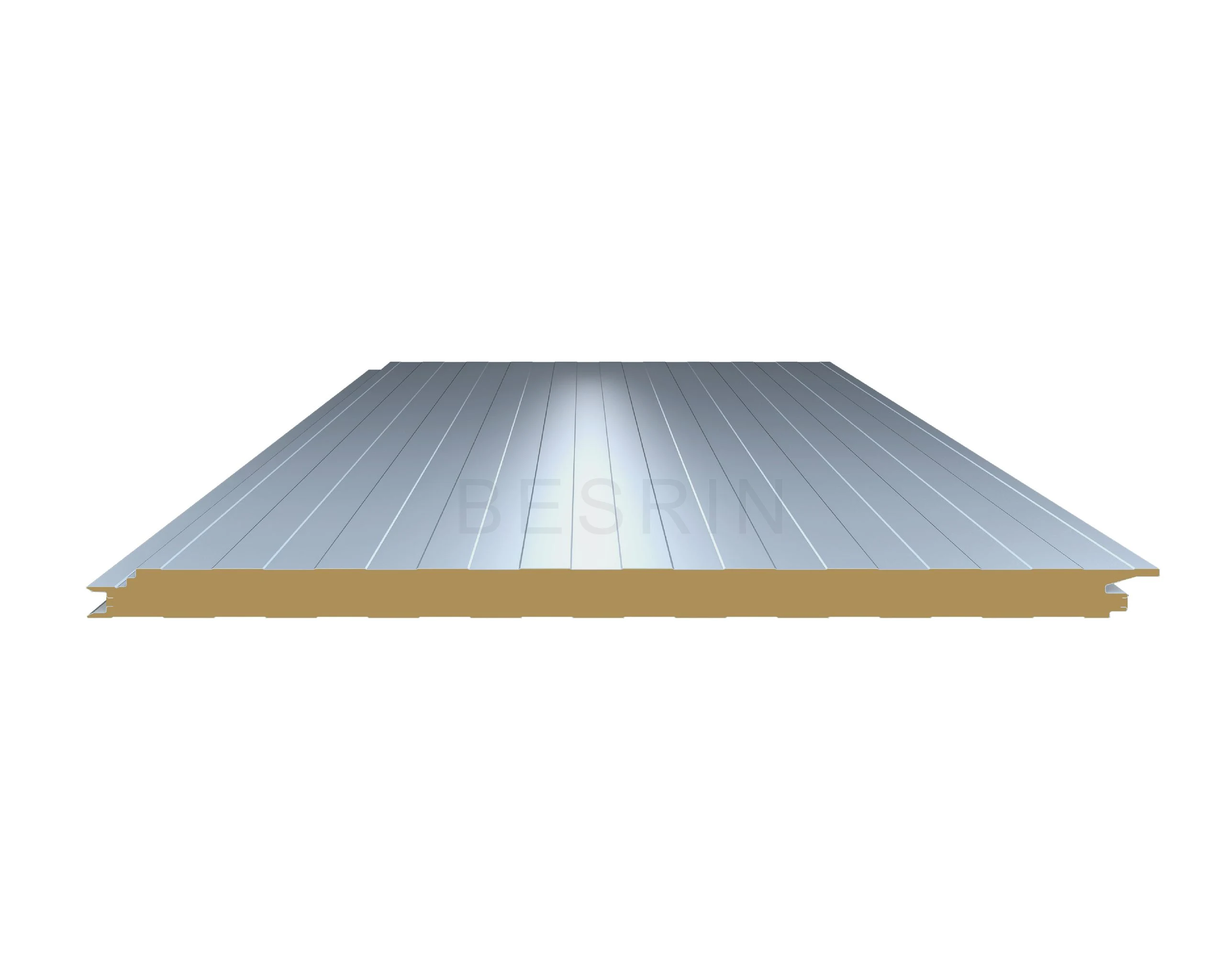
Continuously bonded metal facings and PIR/PUR foam combine flat appearance, low conductivity and rapid assembly.
Coordinate drainage, weather protection, wind, thermal performance and installation in industrial roof product and detail design.
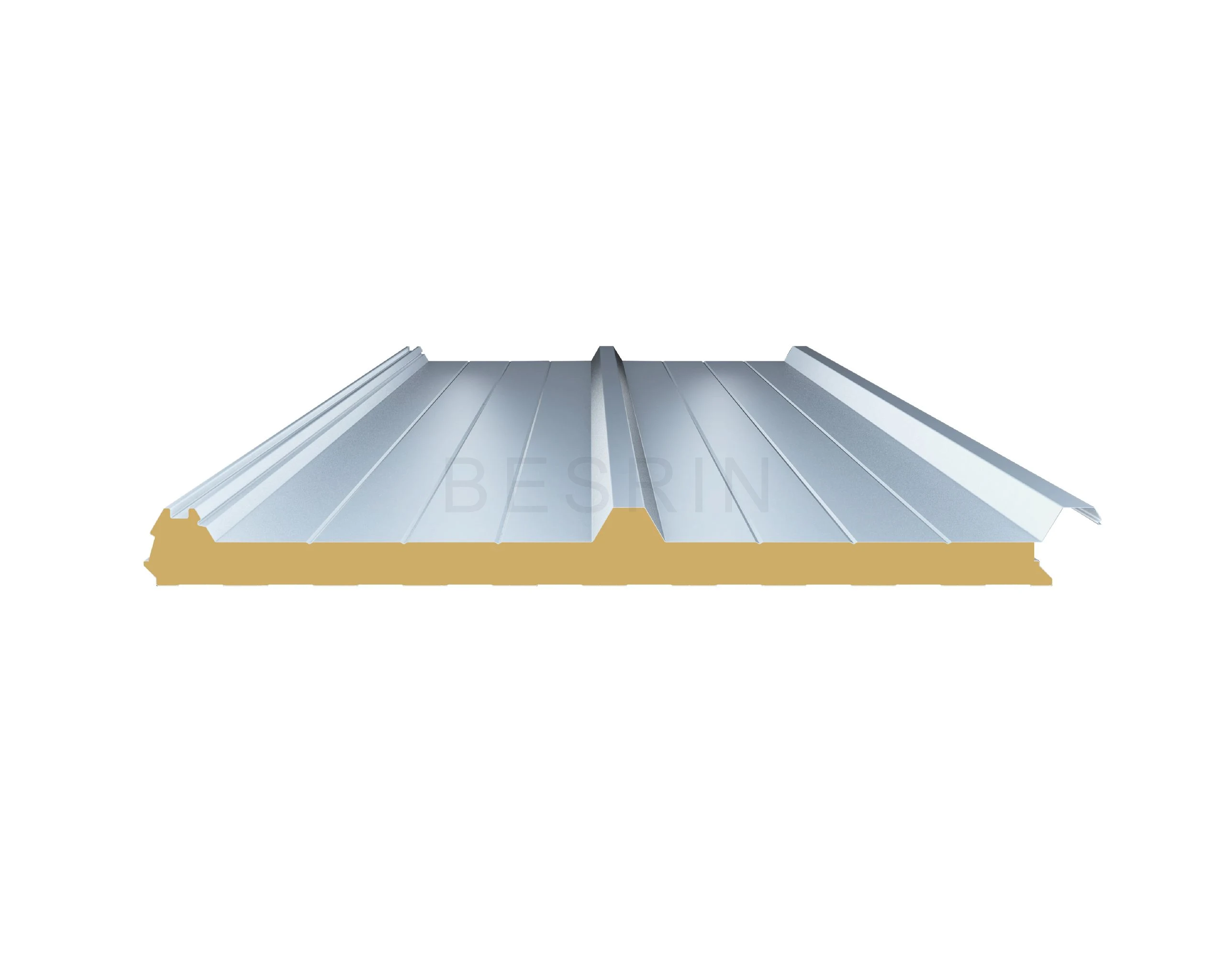
Prefabricated profiles and insulating cores connect with ridges, eaves, gutters, rooflights and penetrations.
The application determines profile, connections and critical details. Confirm final specifications and performance against project conditions and test evidence.
| Parameter | Insulated Roof Systems | Insulated Wall Systems |
|---|---|---|
| Primary Function | Drainage, weather protection, insulation and roof loads | Insulation, airtightness, weather resistance and facade expression |
| Core | PIR/PUR rigid foam | PIR/PUR rigid foam |
| Typical Thickness | 50 / 75 / 100 / 120 / 150 mm | 40 / 50 / 60 / 75 / 80 / 100 mm |
| Metal Facings | 0.4–0.6 mm galvanized or aluminum-zinc-coated steel | 0.4–0.6 mm galvanized or aluminum-zinc-coated steel |
| Facing Coating | PE / HDP / PVDF | PE / HDP / PVDF / PVC film |
| Connection | Tongue-and-groove joints with concealed fixing | Concealed fixing; horizontal or vertical installation |
| Critical Details | Ridges, eaves, gutters, rooflights and penetrations | Bases, corners, openings and roof-to-wall joints |
| Design Priorities | Slope, drainage, wind uplift, thermal movement and continuous waterproofing | Wind loads, flatness, thermal bridges and continuous air sealing |
Explore PIR/PUR panels in industrial facades, product deliveries and large manufacturing roofs.
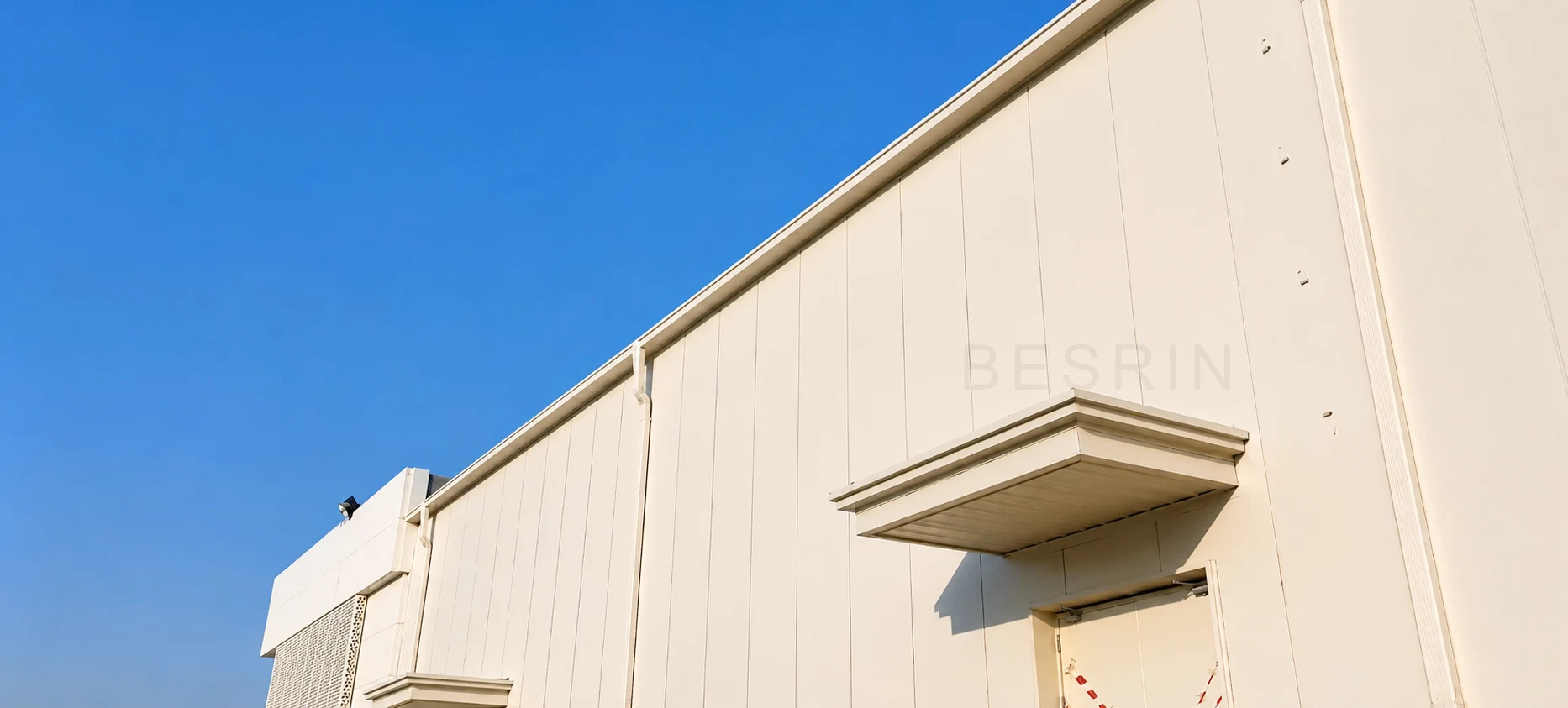
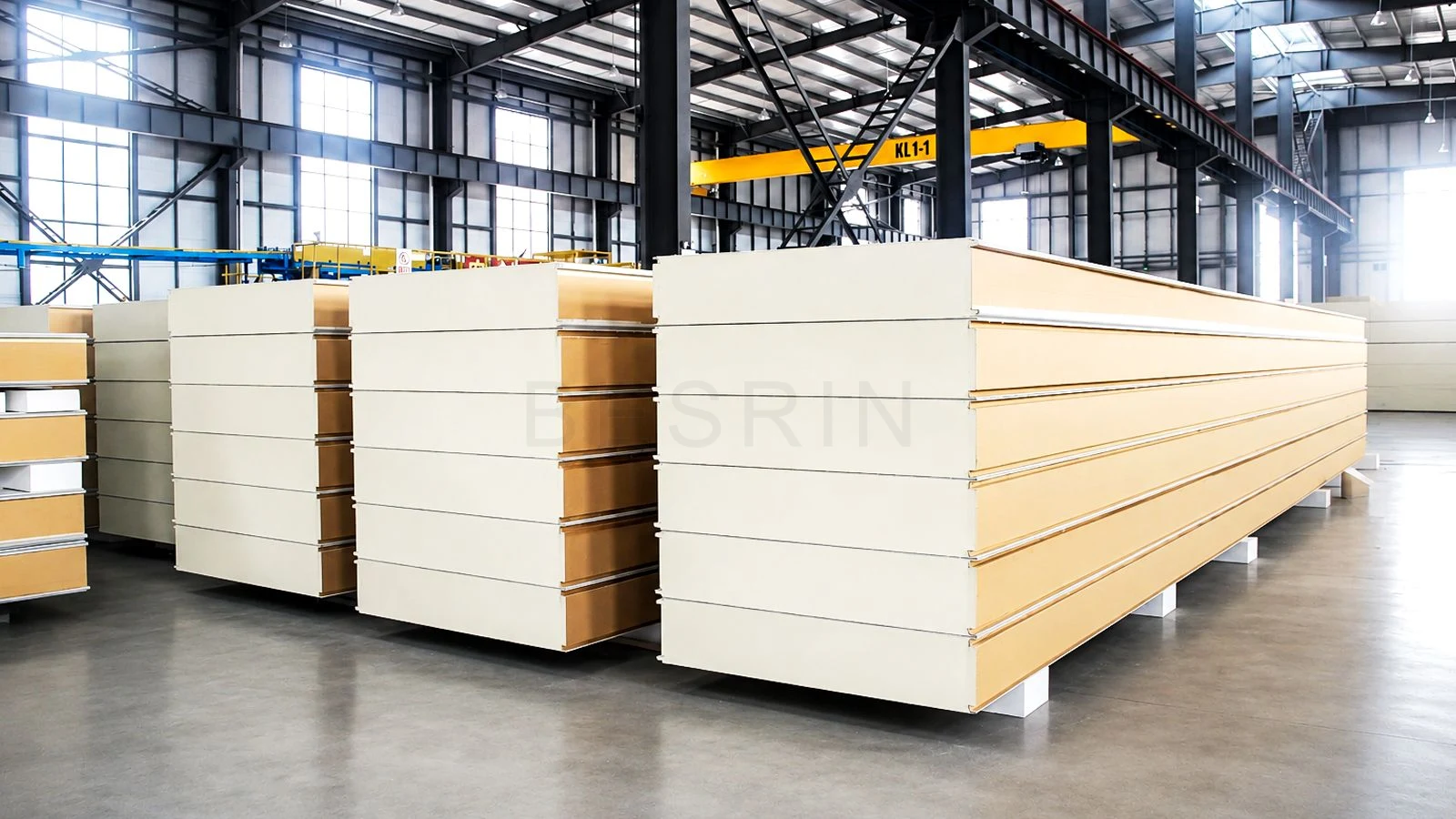
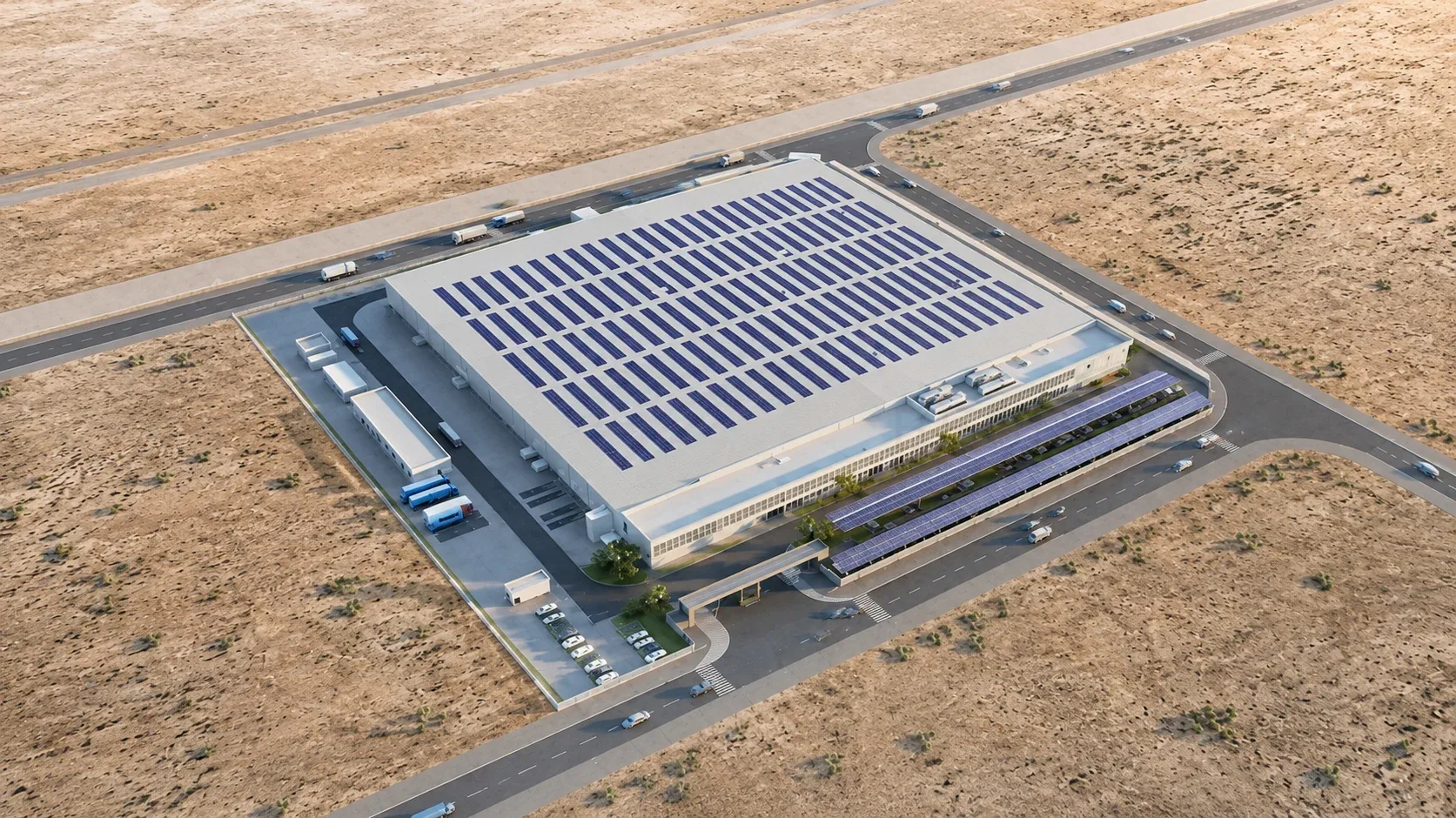
PIR performance depends on facings, coatings, profiles, joints, fasteners, seals and continuous ridge, eaves and base details. Market-specific fire requirements (GB, EN, FM), thermal standards and corrosion exposure influence thickness, facings and detail design.
Control thermal bridges and energy use through panels, joints and details together.
View DetailsDefine sealing paths for roofs, walls and low-temperature spaces.
View DetailsProfiles, lengths, lifting and coordinated details determine site efficiency.
View DetailsSelect products for the market’s regulations and test requirements.
View DetailsFor industrial, manufacturing and warehouse roofs. Confirm slope, drainage, wind loads, fixing, panel length, rooflights and openings together.
For industrial, warehouse and manufacturing facades. Coordinate facings, profiles, orientation, facade modules, opening trims and wall bases.
| Parameter | PIR (Preferred) | PUR (Optional) |
|---|---|---|
| Core | Rigid polyisocyanurate foam | Rigid polyurethane foam |
| Core Density | 38–45 kg/m³ | 38–42 kg/m³ |
| Reaction to Fire | Class B1 (GB 8624) | Class B2 (GB 8624) |
| Thermal Conductivity λ | ≤0.022 W/(m·K) | ≤0.022 W/(m·K) |
| Panel Thickness | 40 / 50 / 60 / 75 / 80 / 100 / 120 / 150 mm | 40–150 mm |
| Metal Facings | 0.4–0.6 mm galvanized / Aluminum-zinc-coated steel | 0.4–0.6 mm galvanized / Aluminum-zinc-coated steel |
| Facing Coating | PE / HDP / PVDF / PVC film | PE / HDP |
| Thermal Transmittance K | 0.18–0.50 W/(m²·K), depending on thickness | 0.18–0.50 W/(m²·K), depending on thickness |
| Service Temperature Range | -50°C to +110°C | -30°C to +80°C |
| Dimensional Stability | Excellent (low shrinkage) | Standard |
| Profile / Joint | Four-sided tongue-and-groove / Concealed fixing / Interlocking joint | Four-sided tongue-and-groove / Concealed fixing |
| Roof Panel Width | 1,000 mm | 1,000 mm |
| Panel Length | ≤16,000 mm (roof) | ≤14,000 mm (roof) |
PIR panels with a stated B1 reaction-to-fire classification, -50°C to +110°C service range and long-term dimensional stability serve demanding food, pharmaceutical and multi-temperature logistics applications. Final system selection must also address storage temperature, humidity, floor insulation, frost-heave prevention and door logistics.
Facing treatment, roll forming, foam metering, double-belt curing, cutting and packing form a continuous process. Equipment and settings are confirmed for each specification.
Core density, closed-cell content, thermal uniformity and flatness depend on coordinated metering, double-belt temperatures, line speed and curing time. Siemens PLC monitoring and records support batch consistency.
Check appearance, dimensions, joints, bonding and packaging identification.
Continuous coil feeding and batch verification.
Prepare a consistent bonding interface.
Form panel and joint geometry.
Meter and mix according to the product formulation.
Bond and cure under continuous pressure and controlled temperature.
Cut to suit project layouts and transport.
Verify dimensions, surfaces and bonding.
Identify by project, specification and batch.
Provide building use, market, roof or wall application, fire and thermal targets, temperature, humidity, corrosion exposure, structural layout and schedule before selecting core, thickness, facings, profiles and details.
Technical data, construction details, manufacturing capability and project experience guide product selection.
Share building use, operating conditions and performance goals for an initial product recommendation.
Ask About Product SelectionRequest literature, data sheets, CAD details and project technical documents.
Visit the Document CenterSee how products perform across industries, conditions, system combinations and deliveries.
View ProjectsExplore equipment, processes, quality control and samples on site.
Book a VisitSelect products for fire, thermal, durability and delivery requirements.